Mon, Jul 6
The Jazz Cafe
London, United Kingdom

Mon, Jul 6
London, United Kingdom
Wed, Jul 8
Paris, France





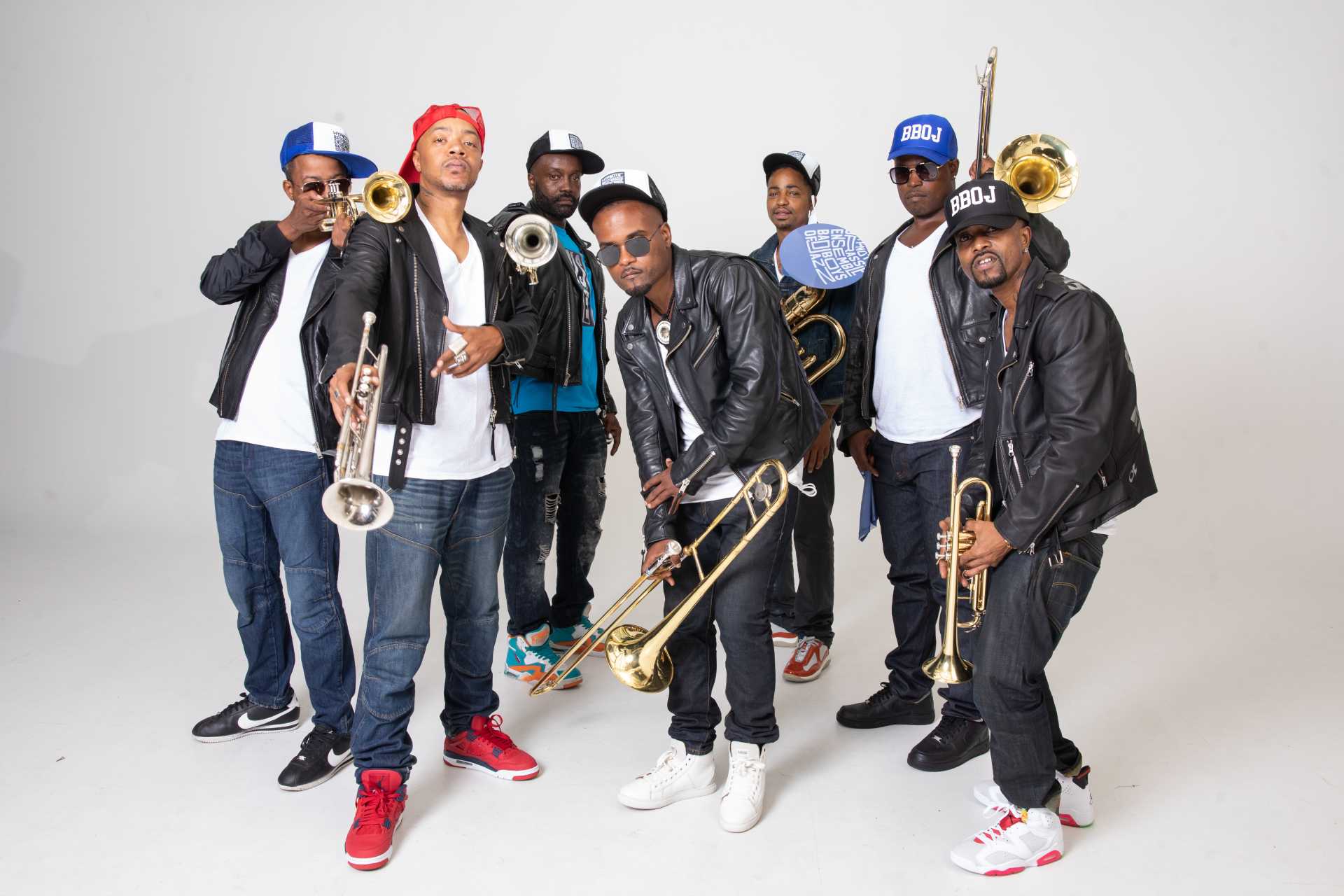
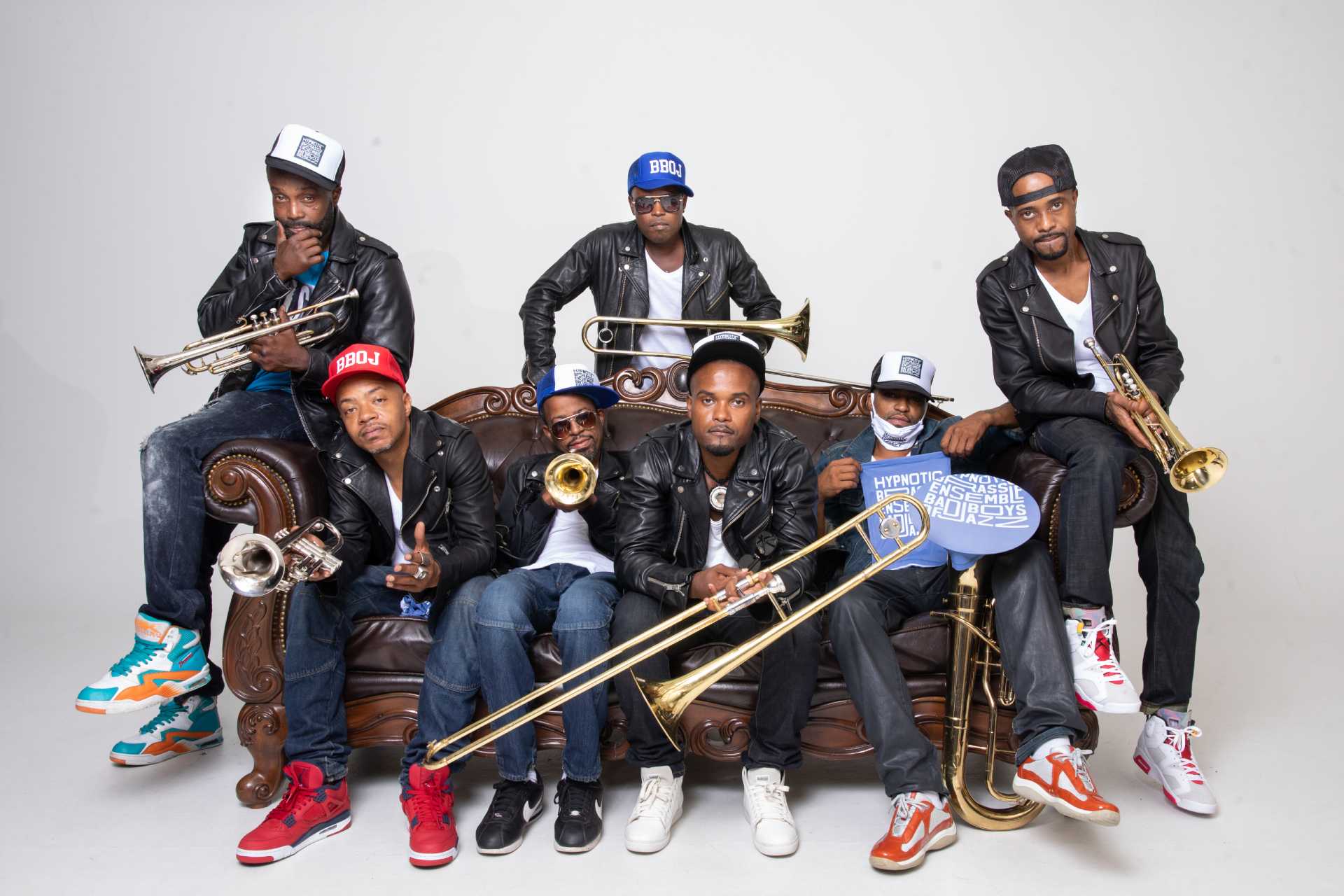
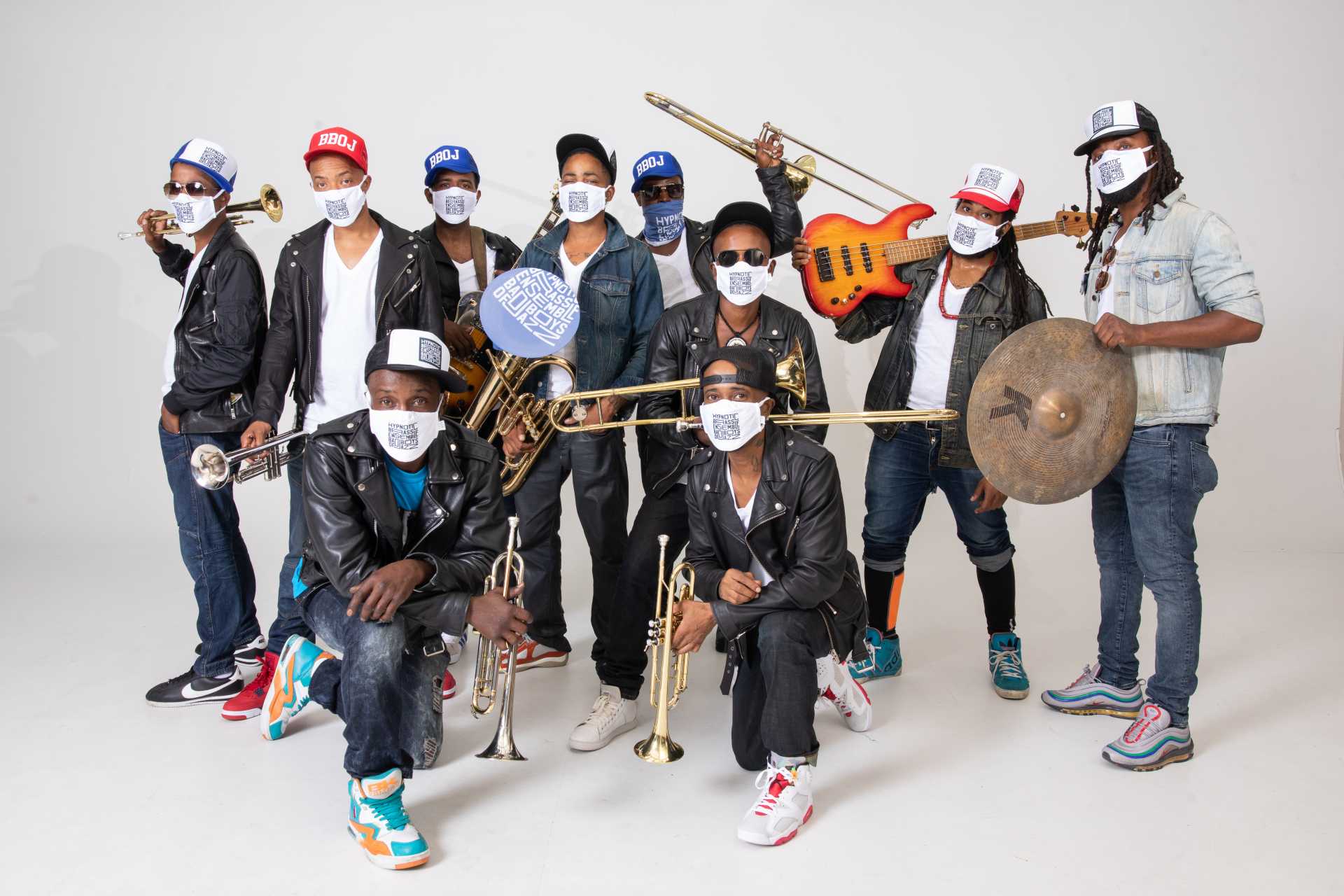
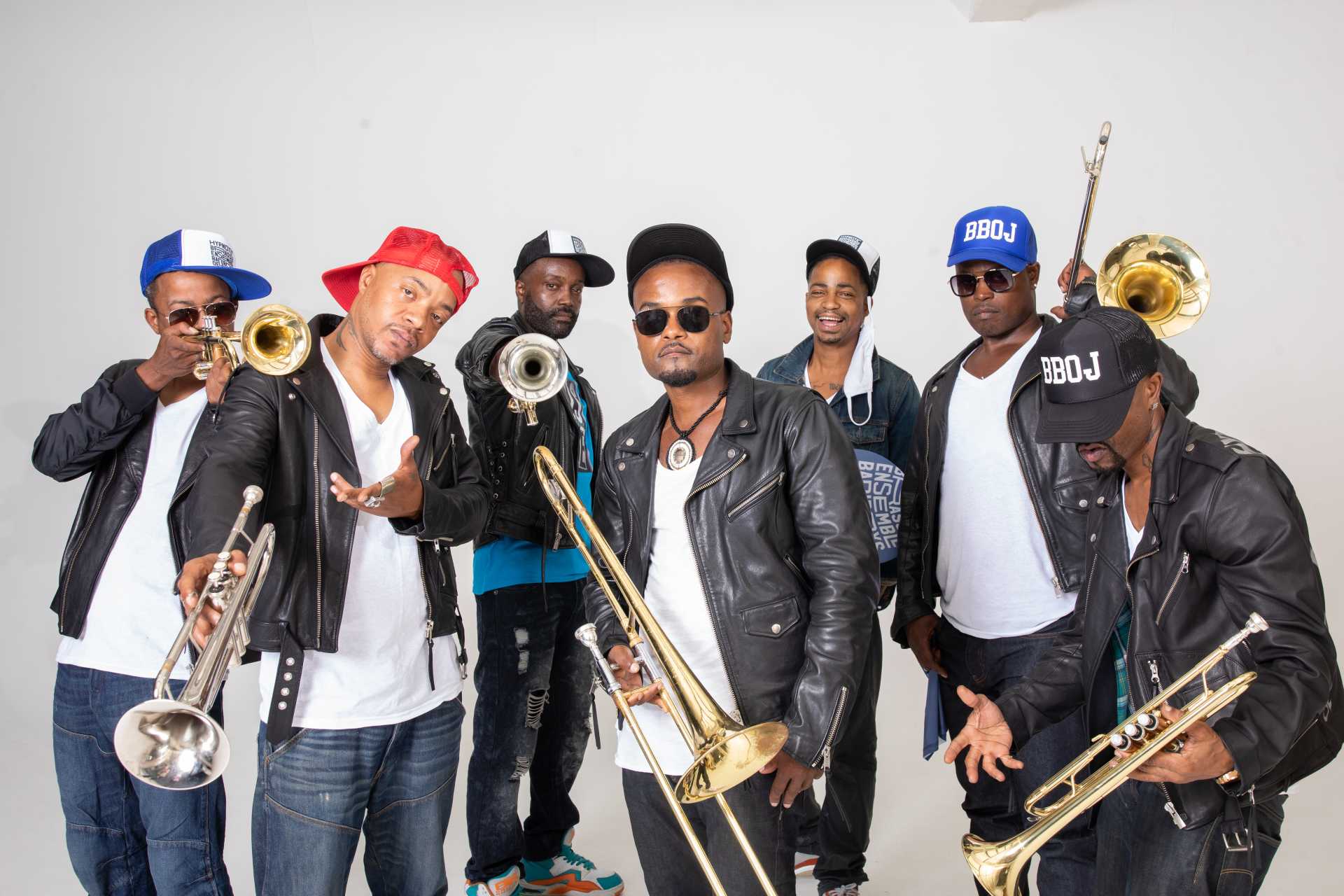
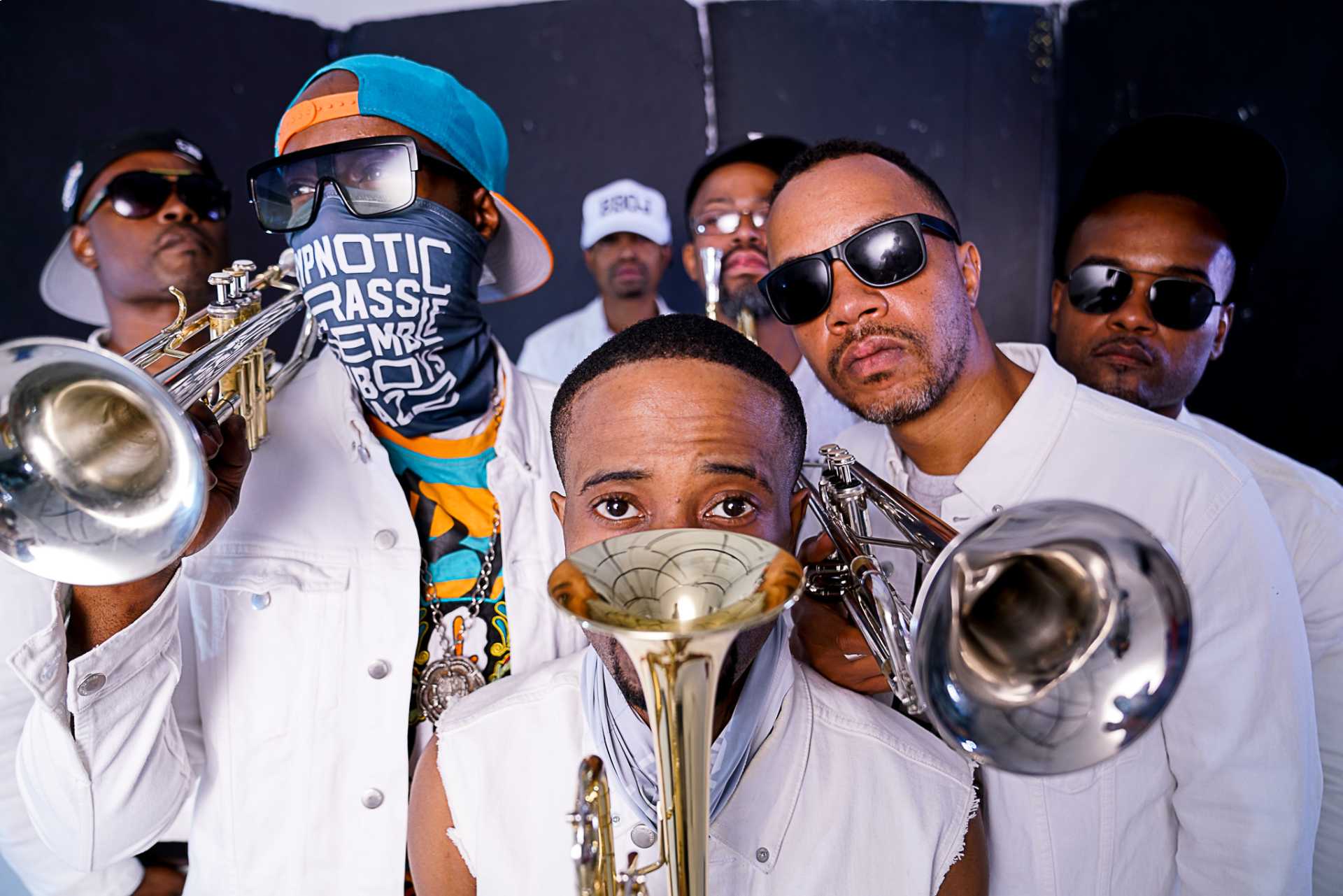
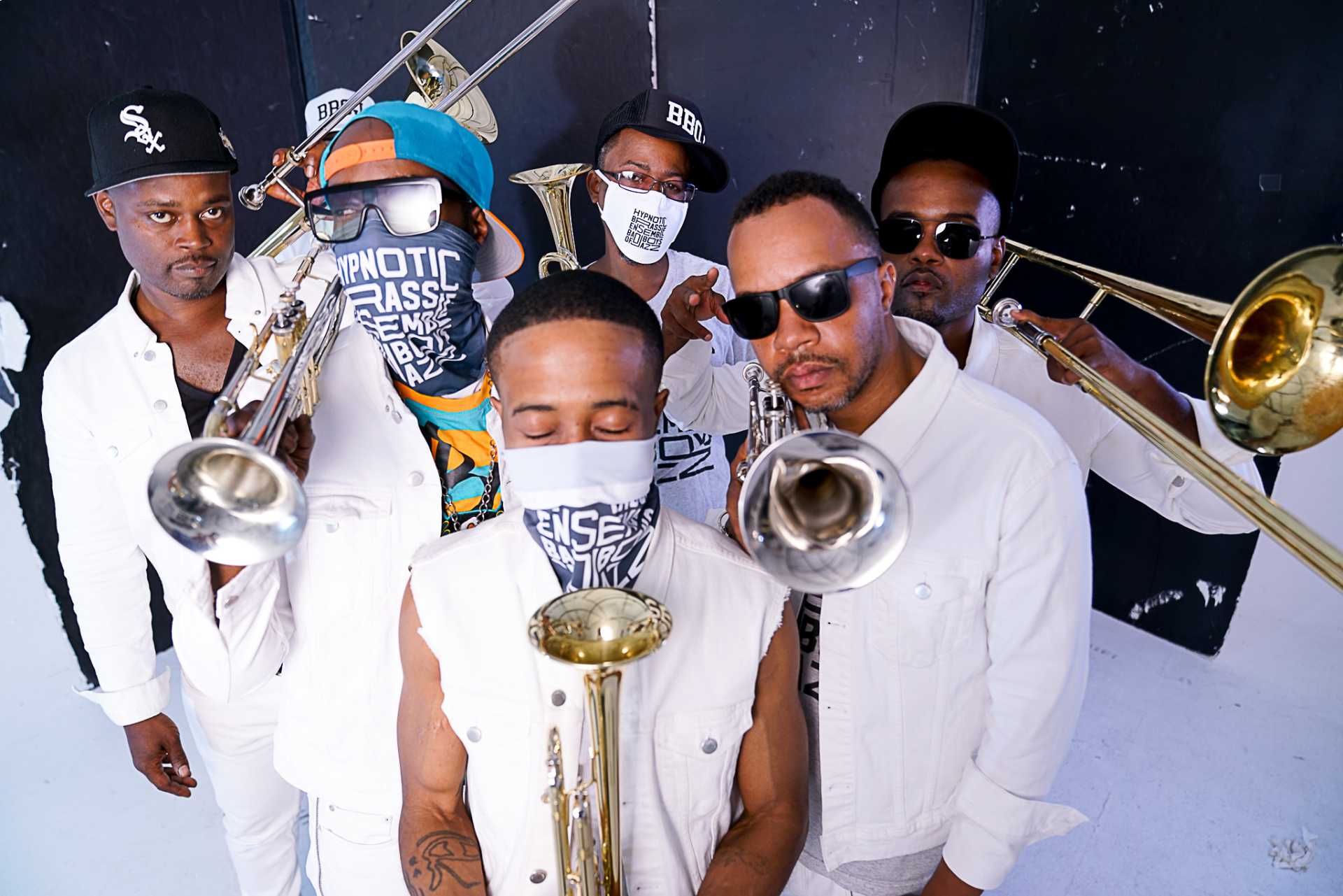
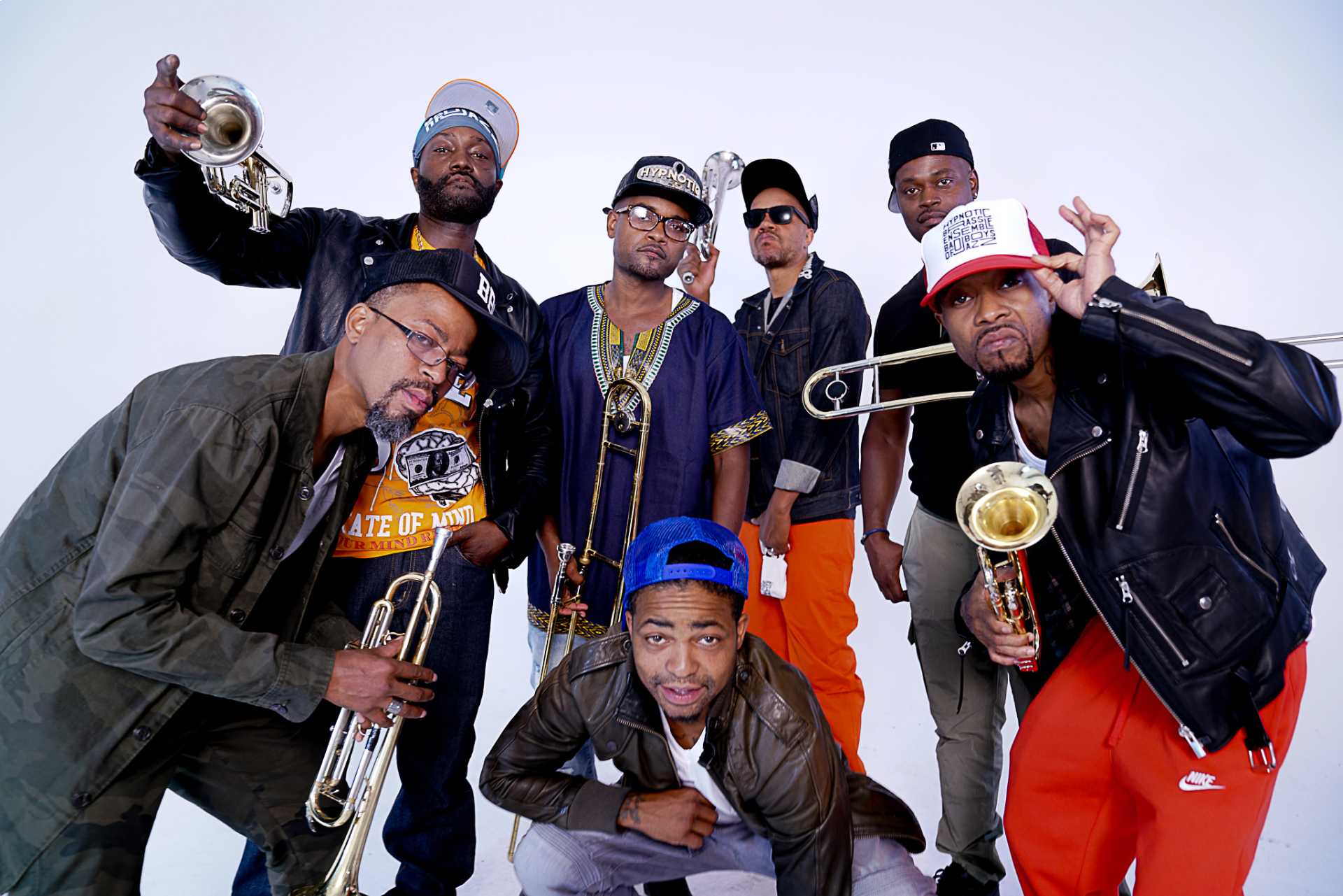
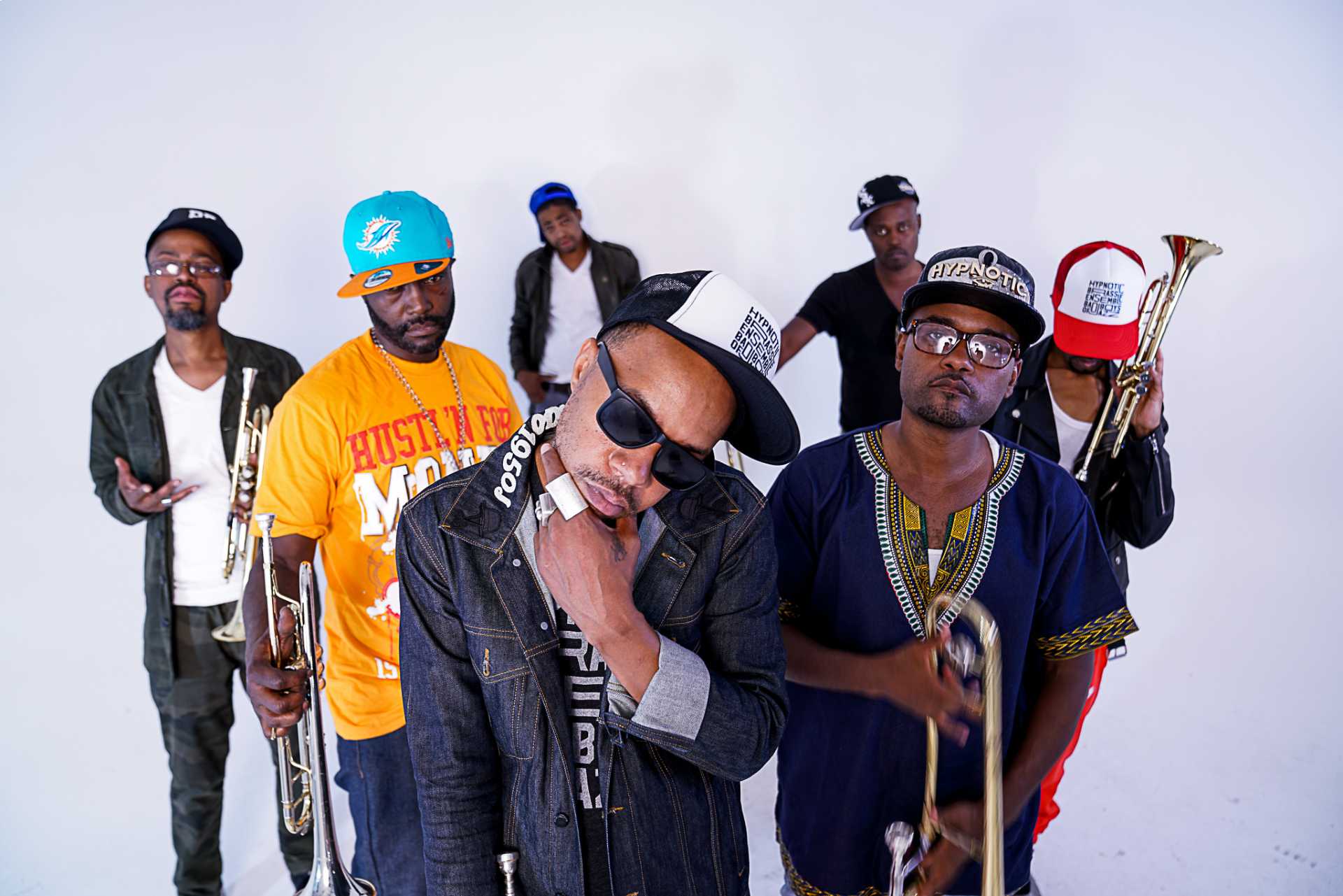
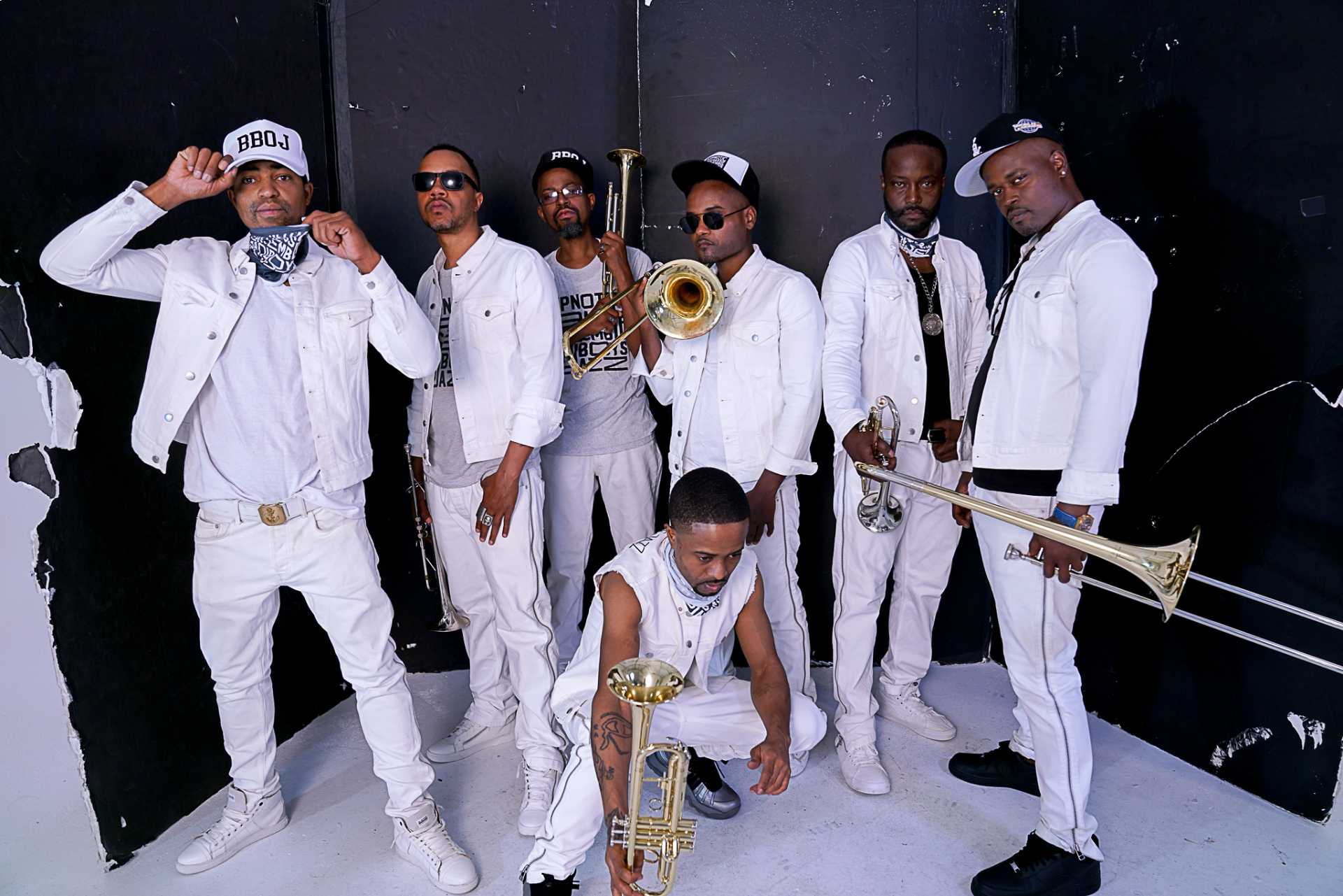
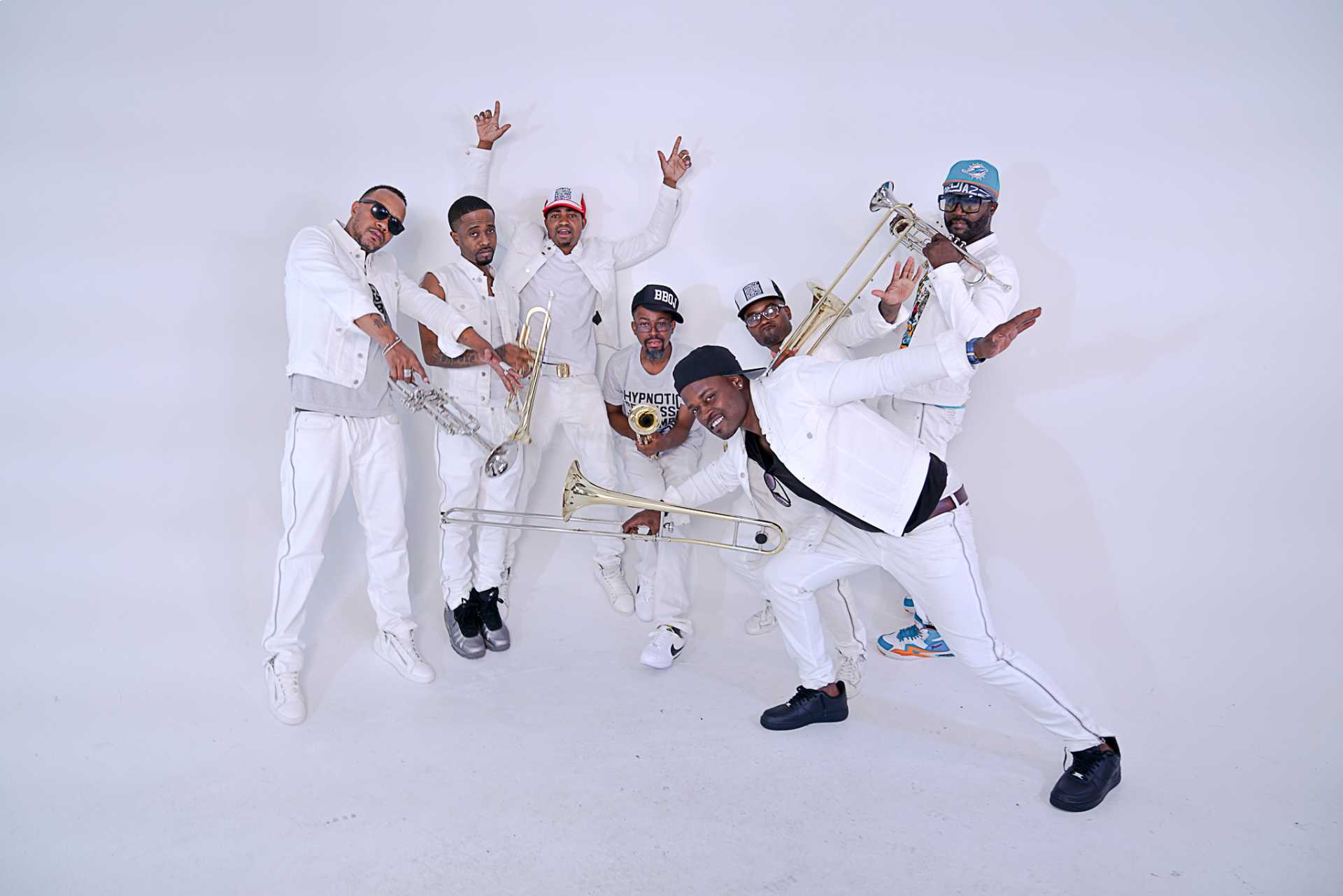
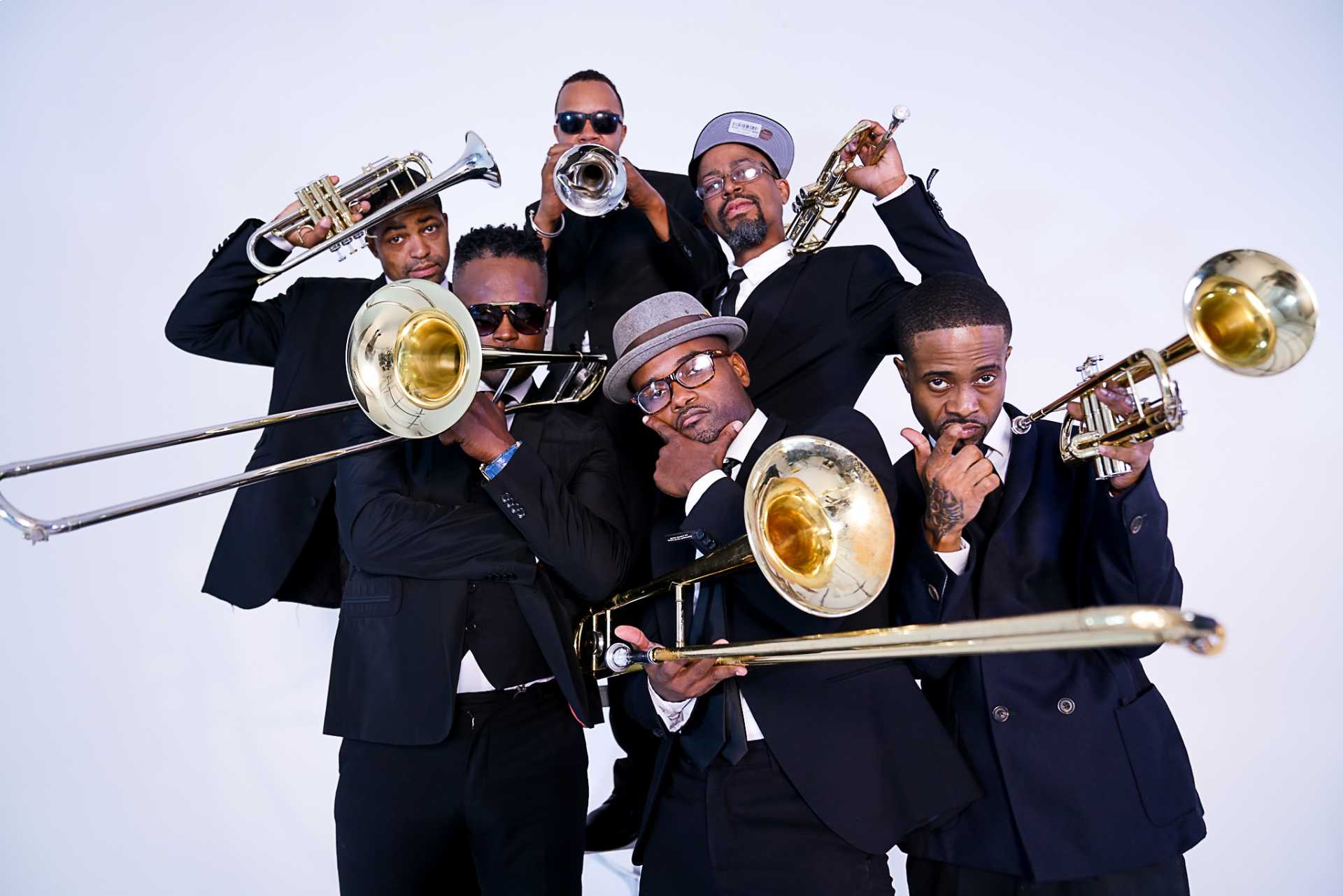
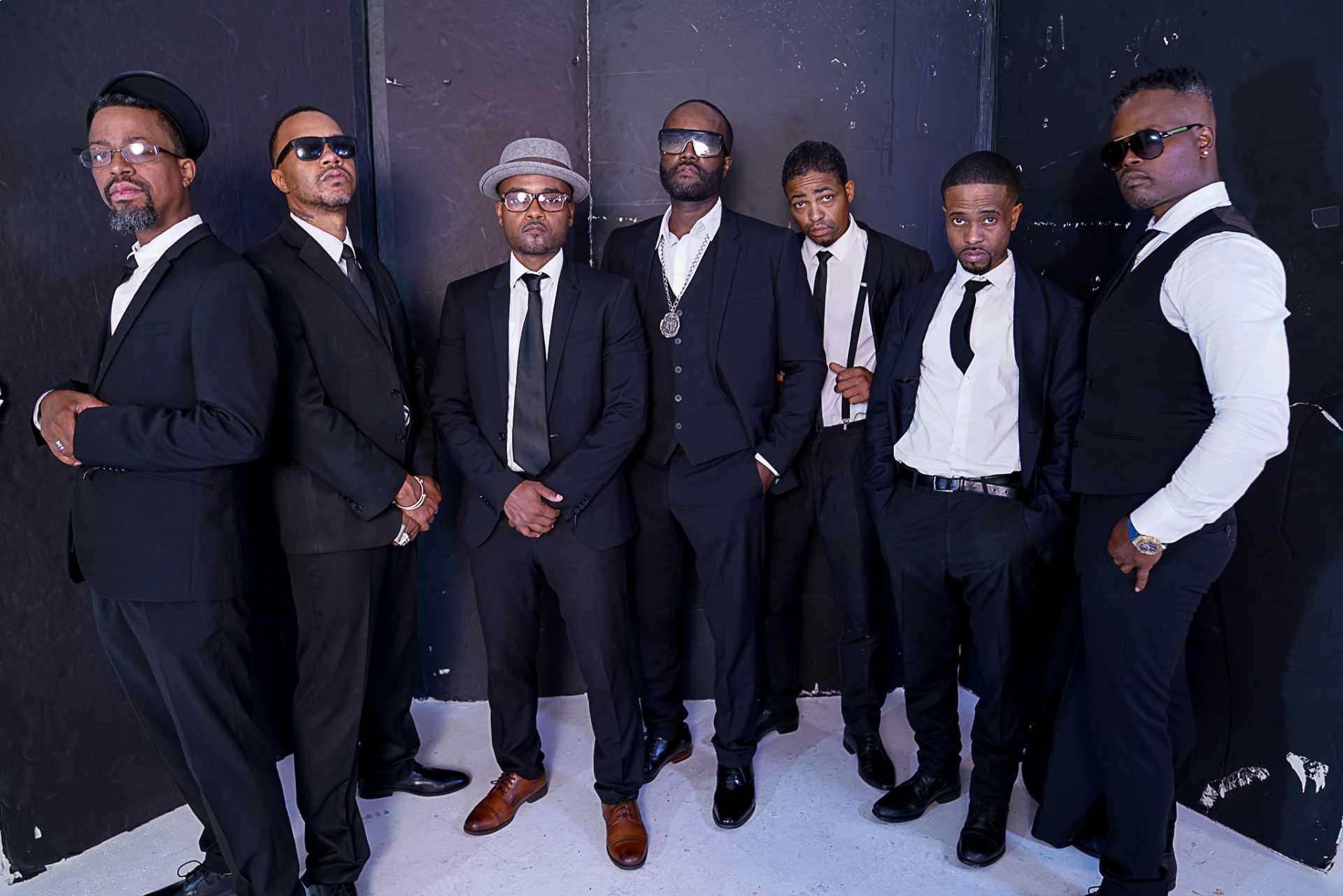
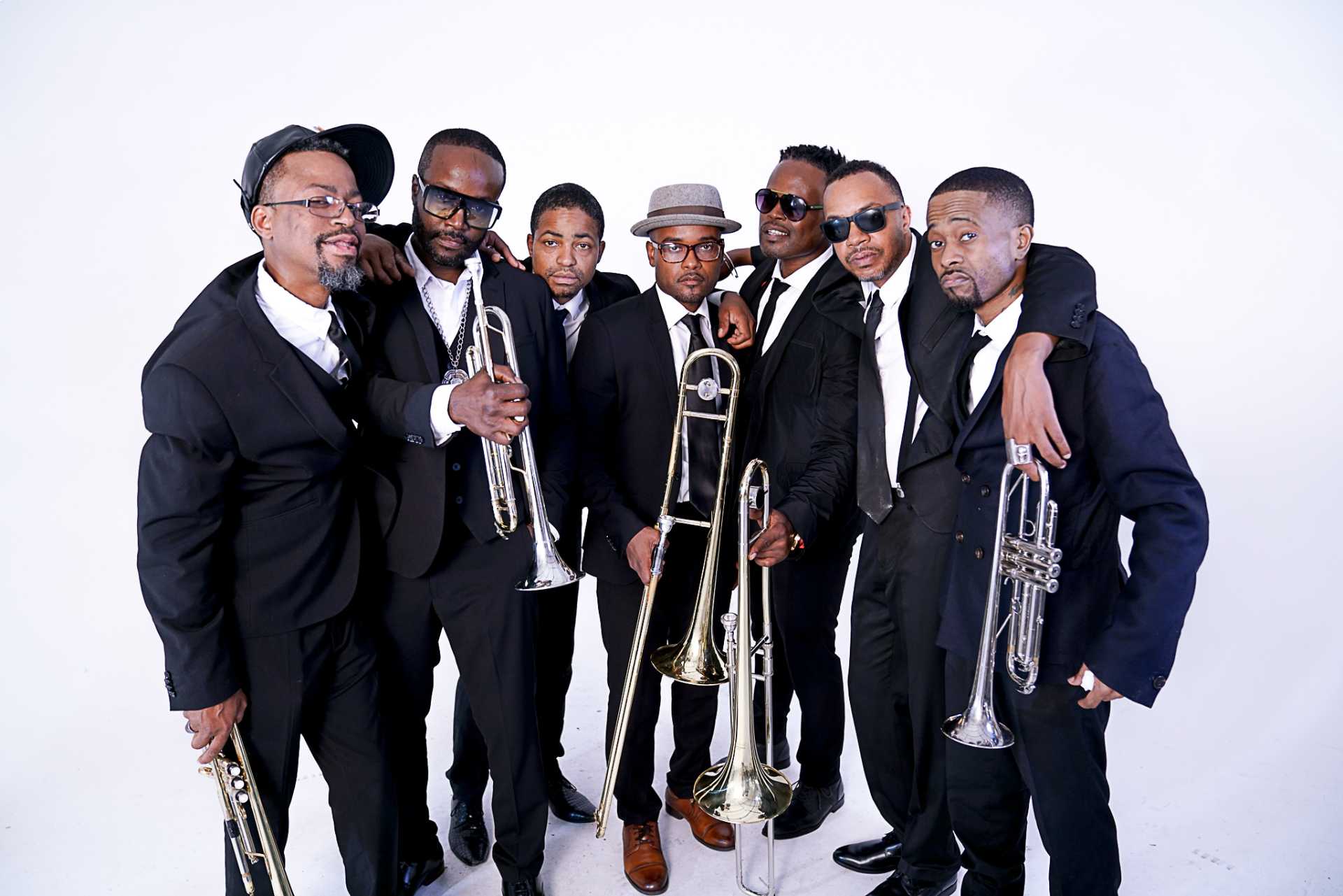
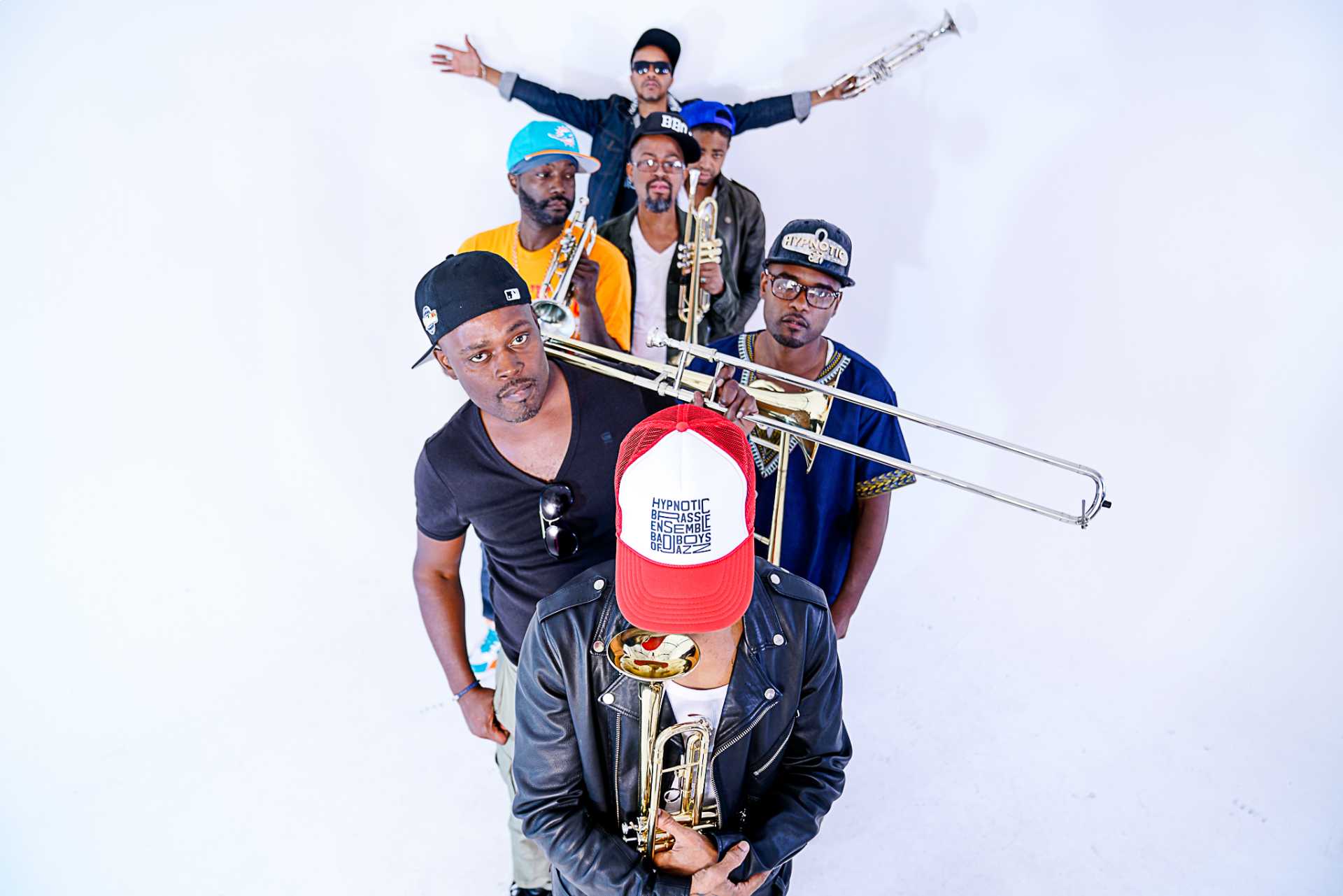
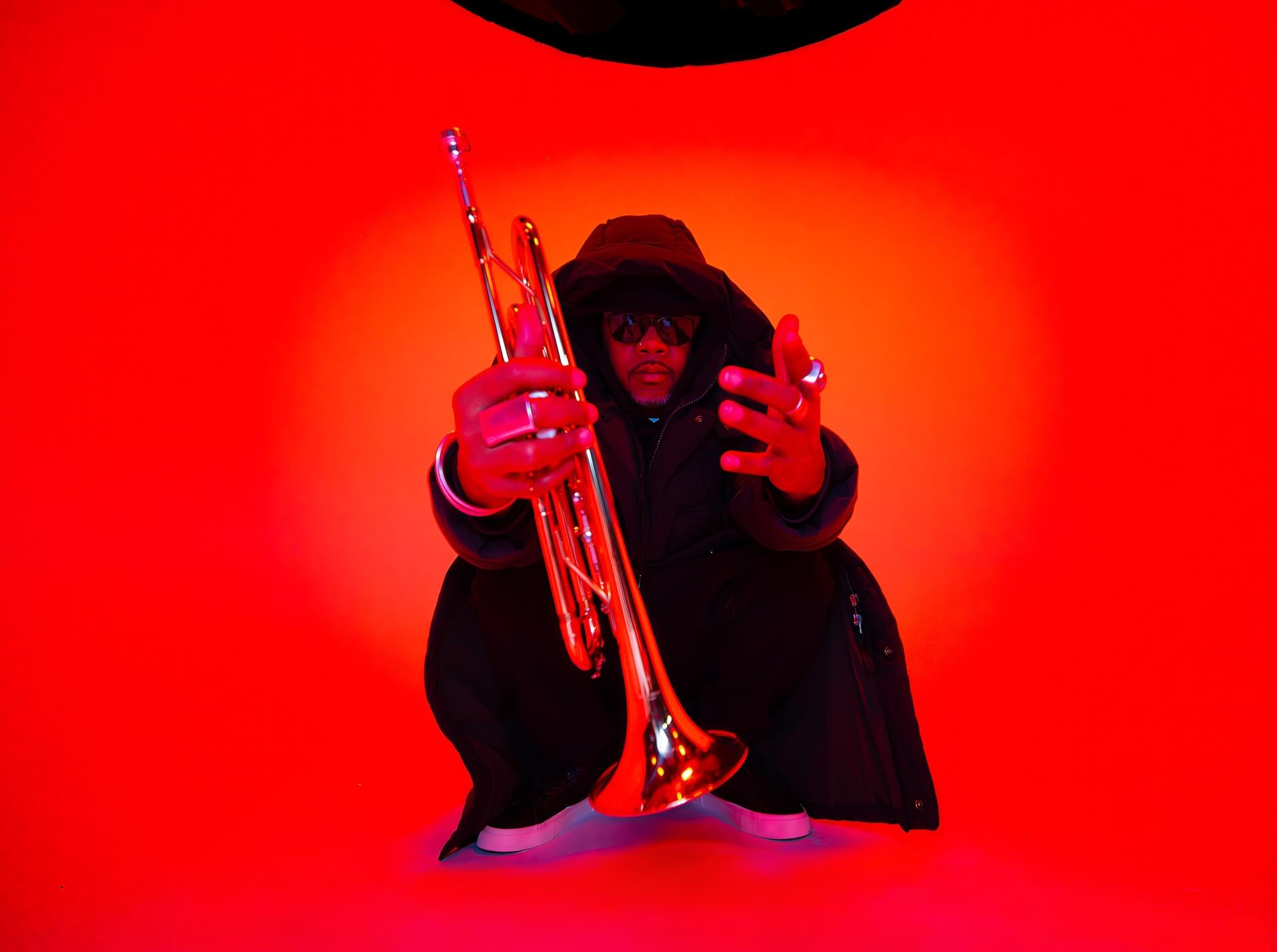
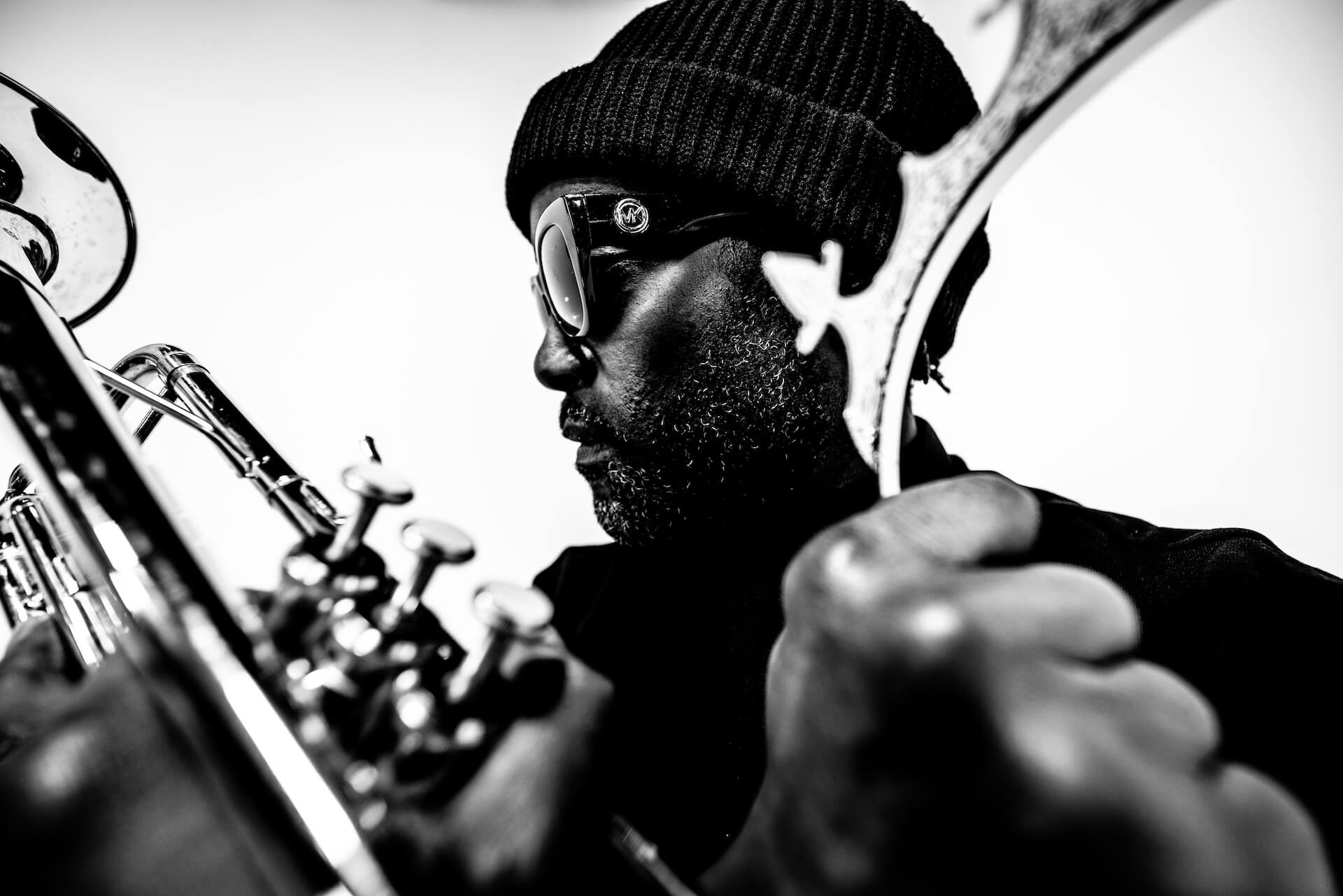
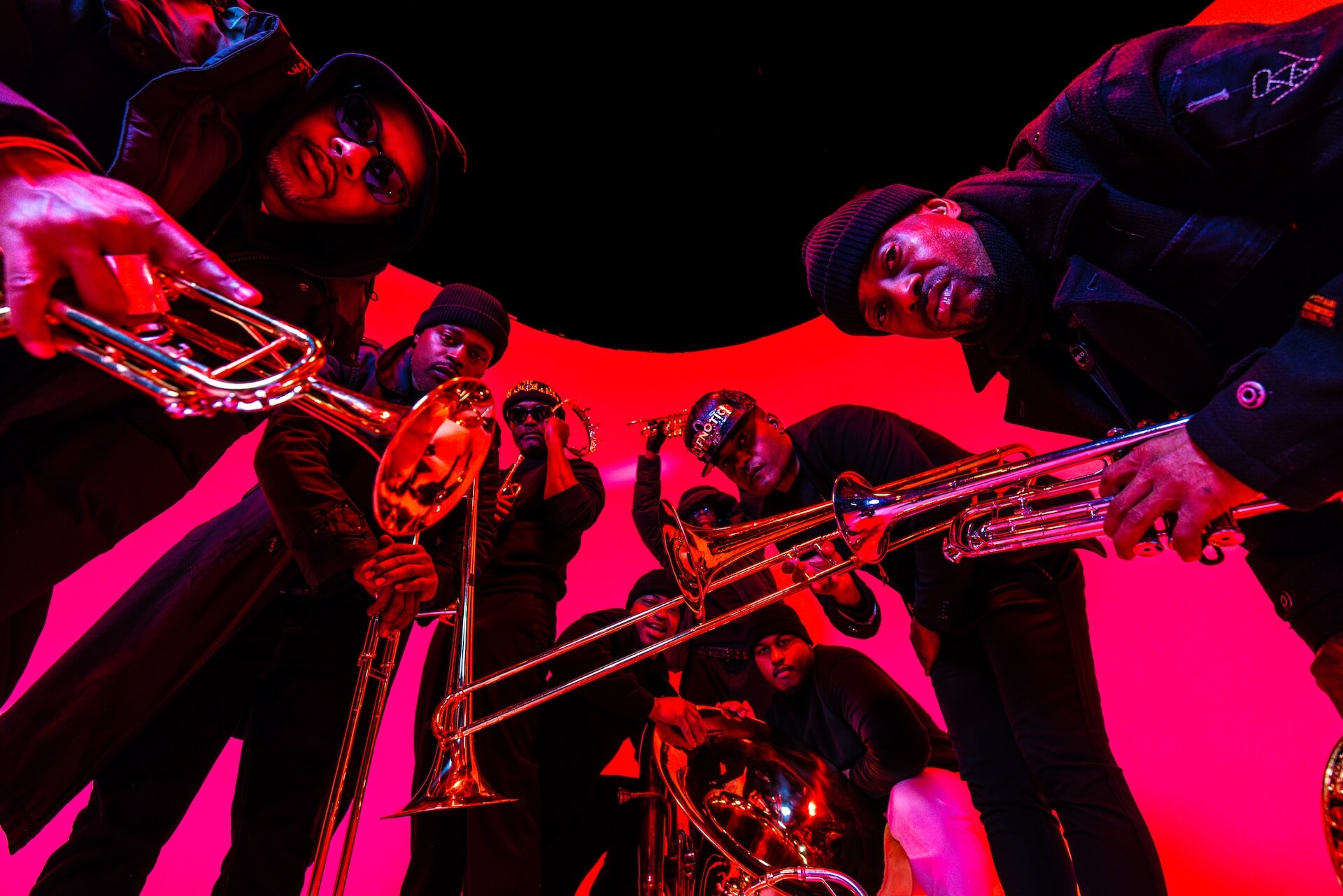
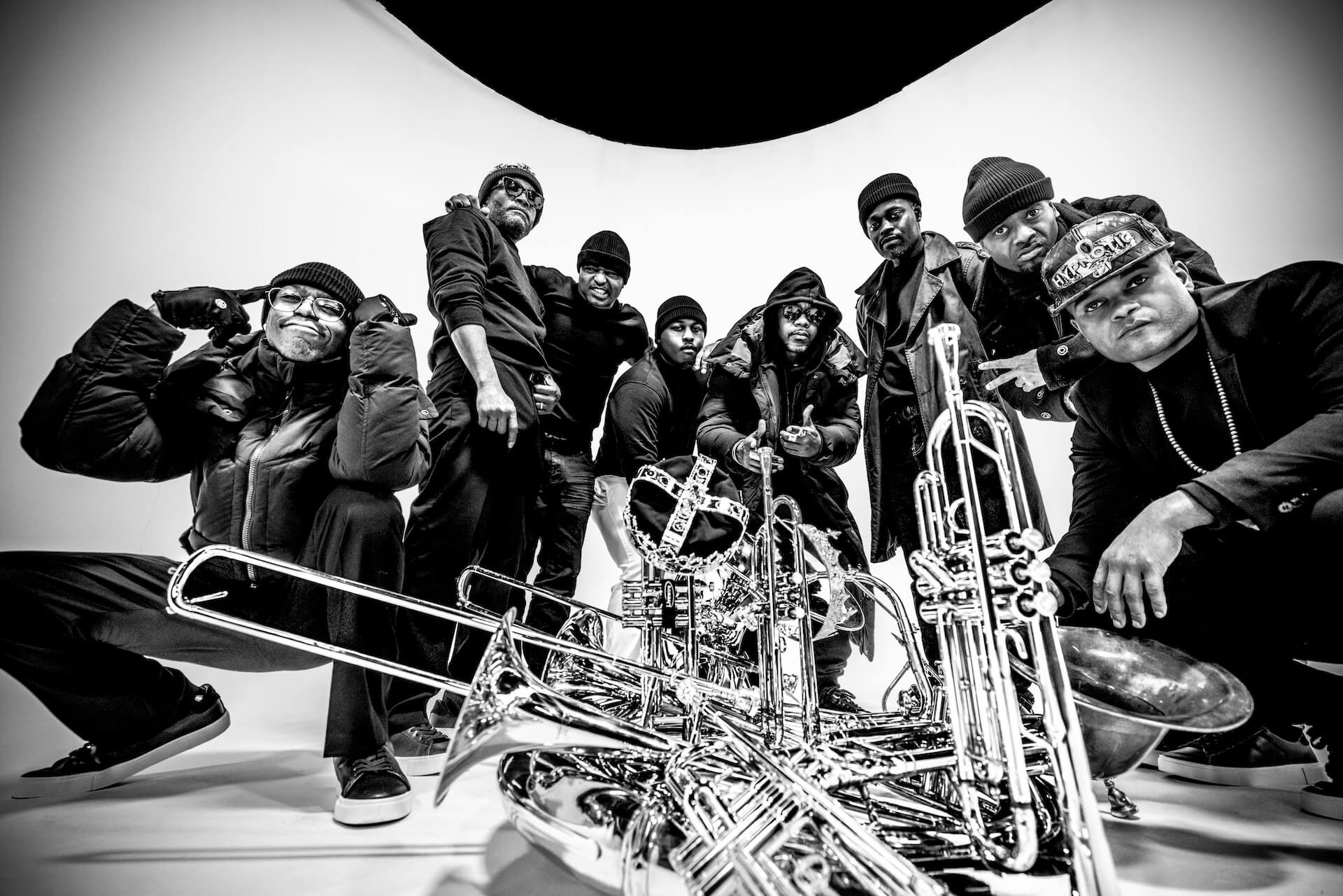
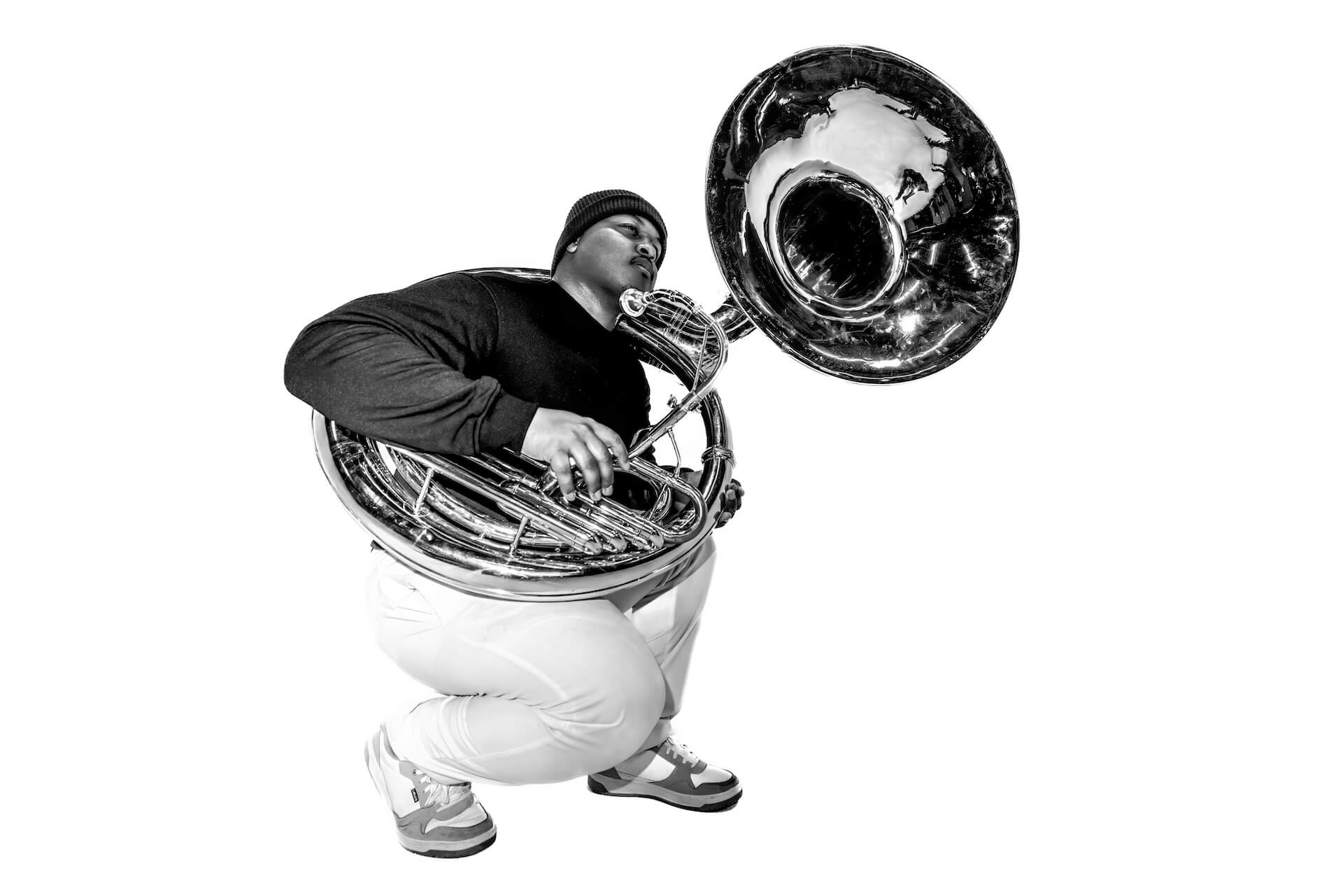
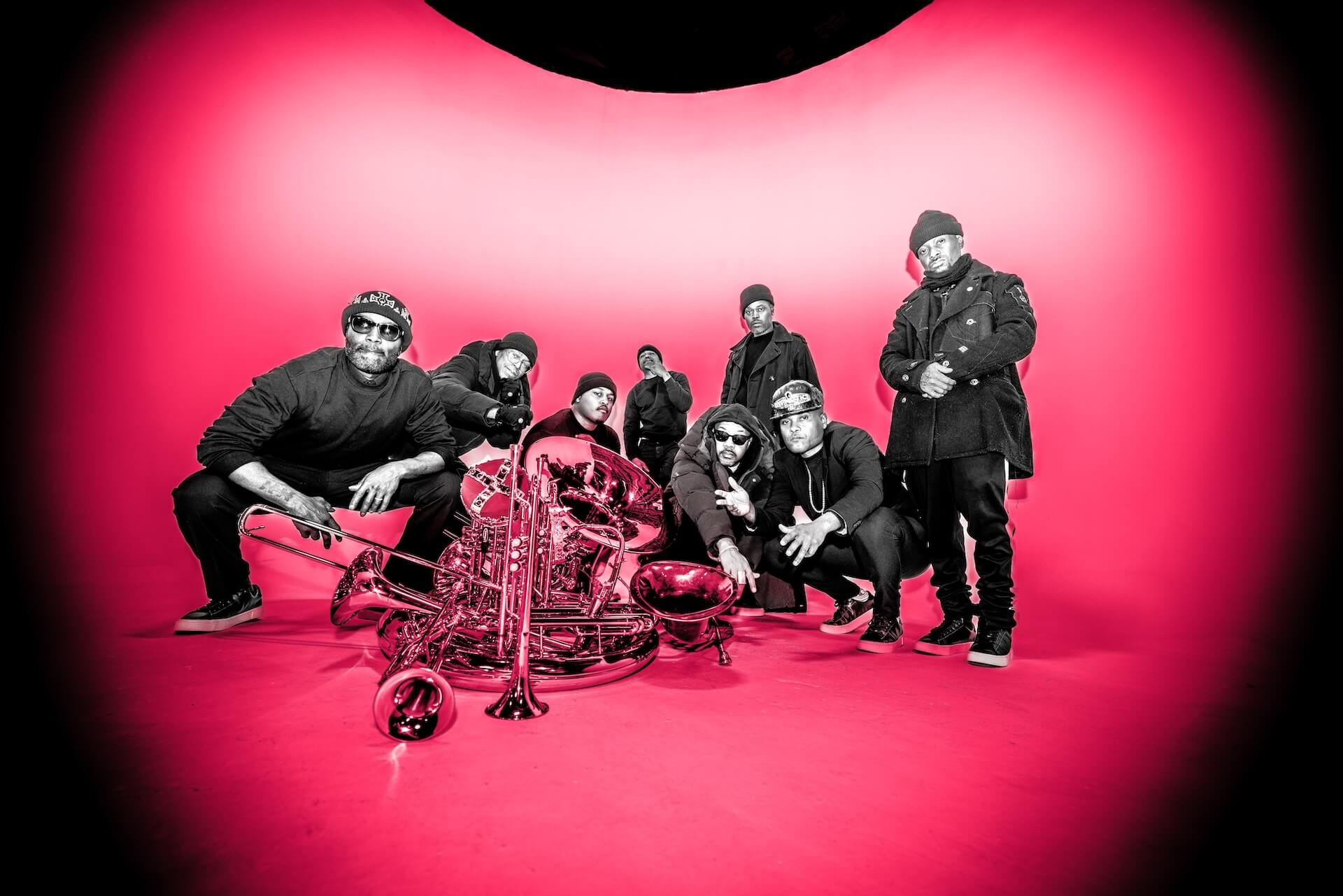
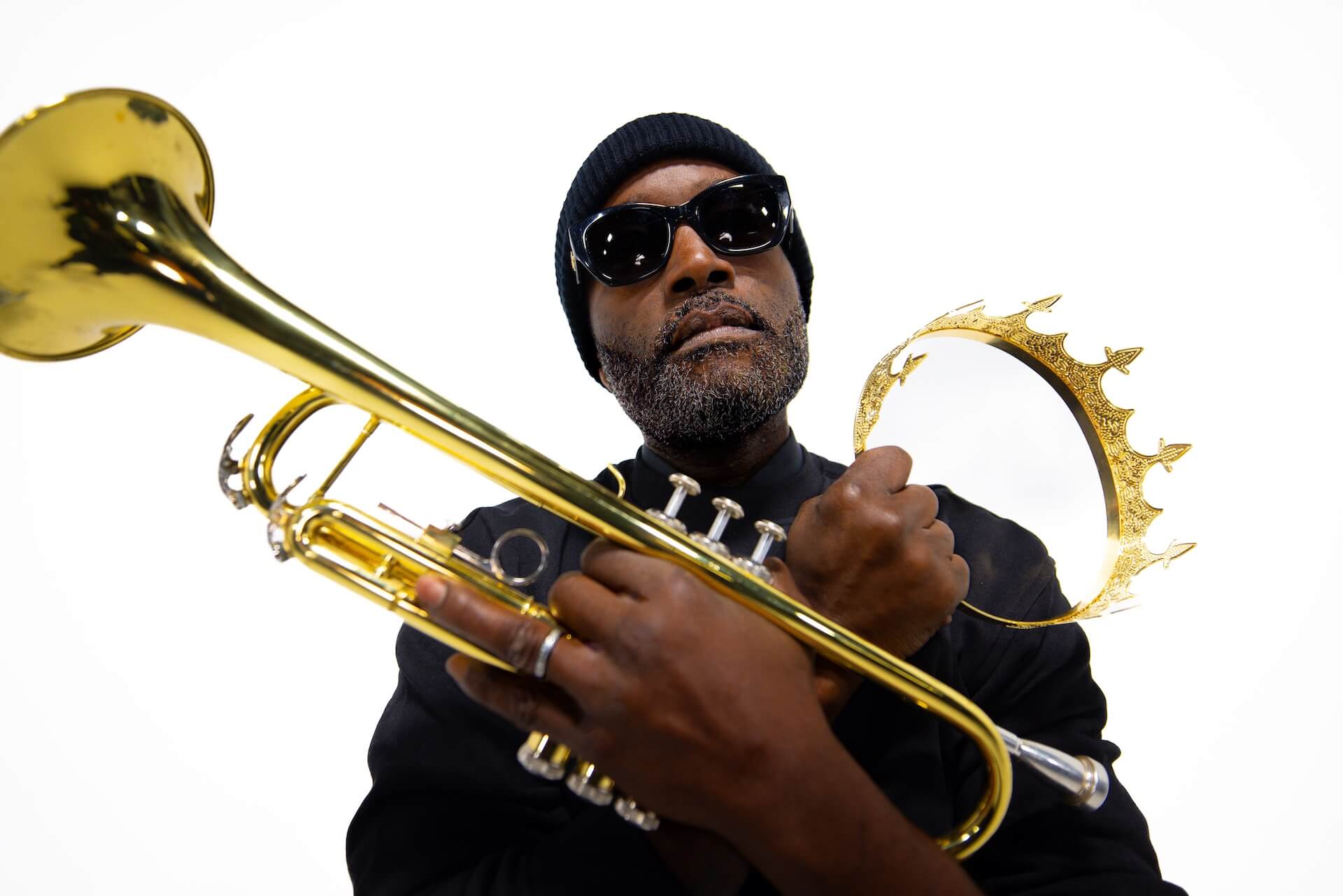
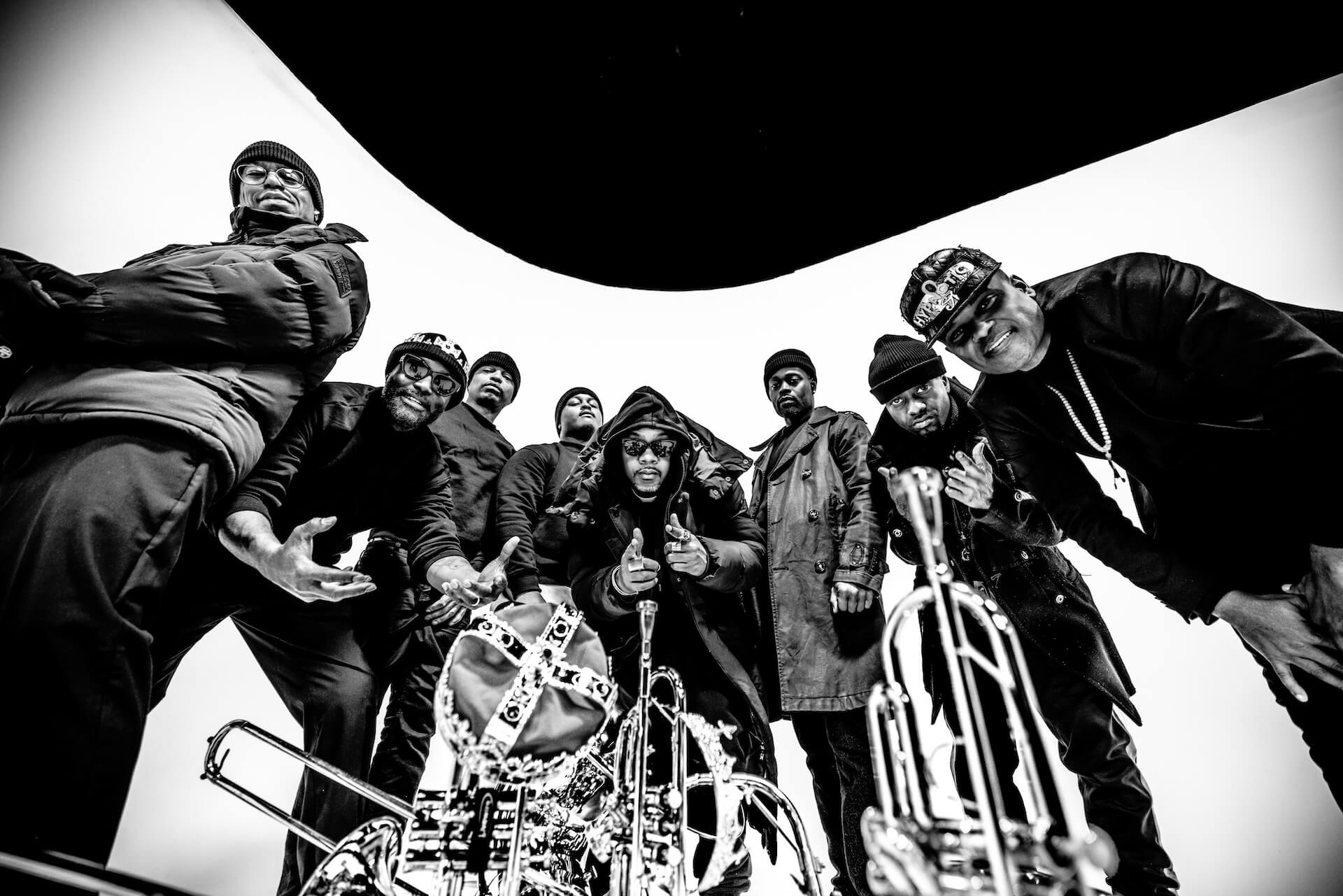
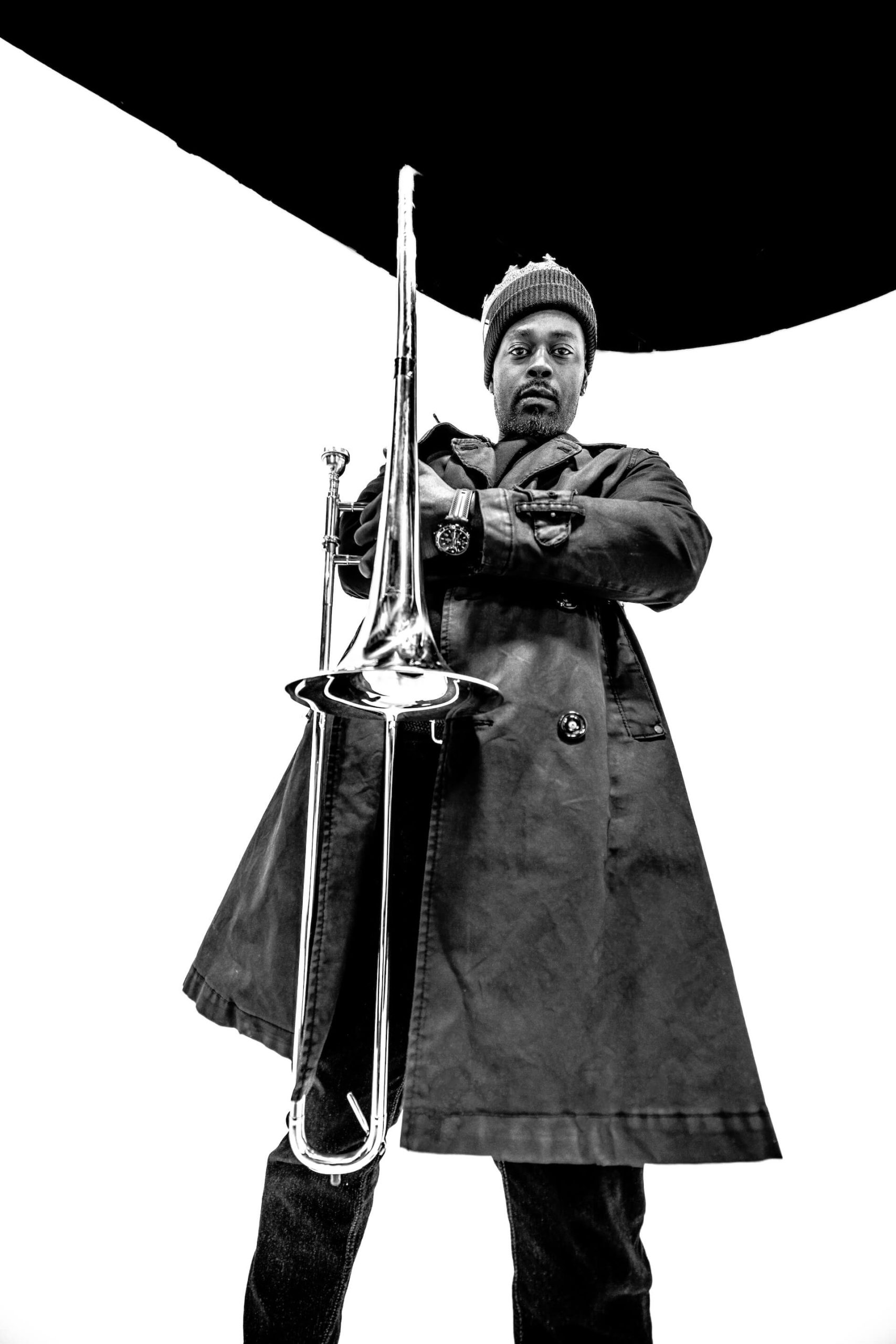
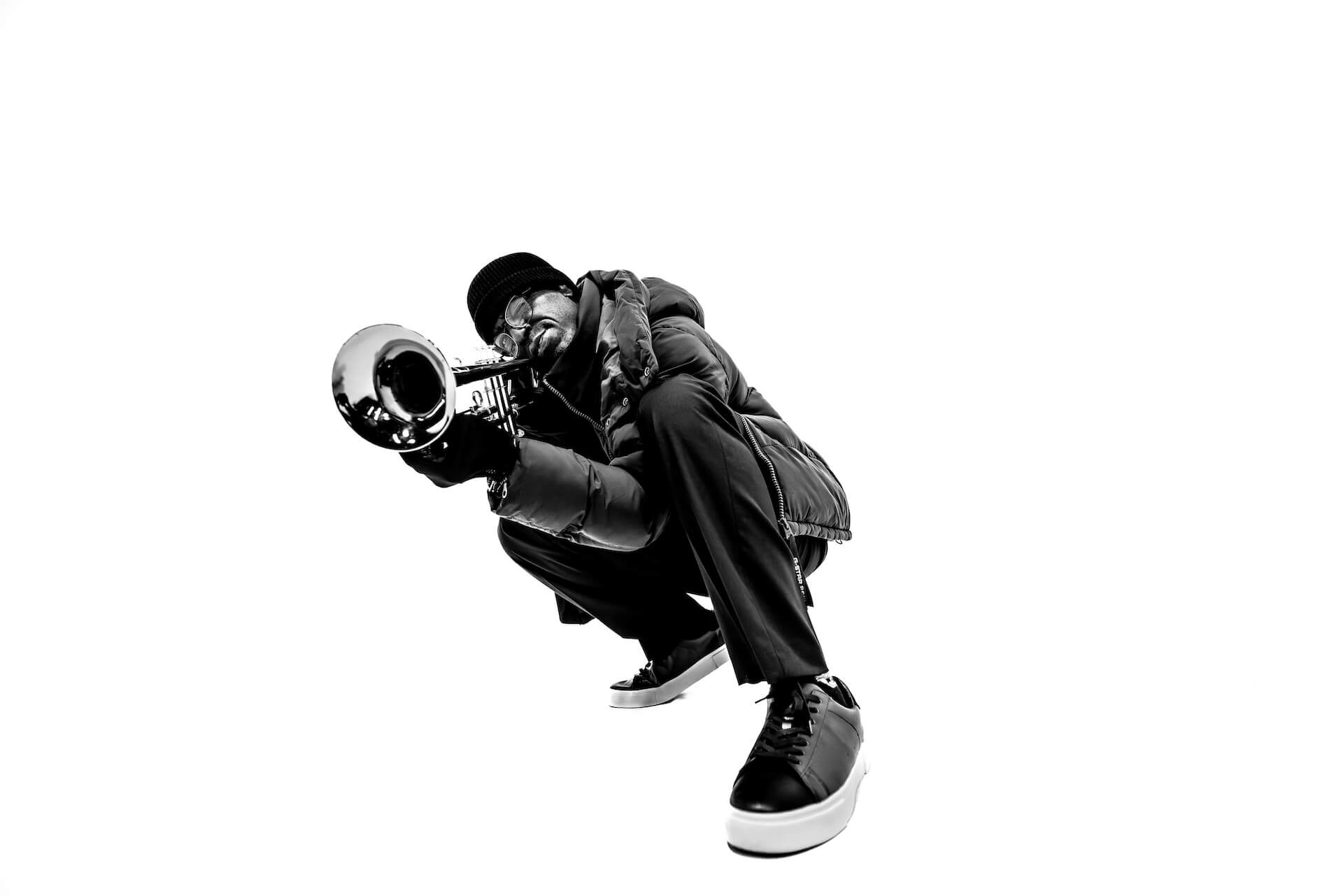
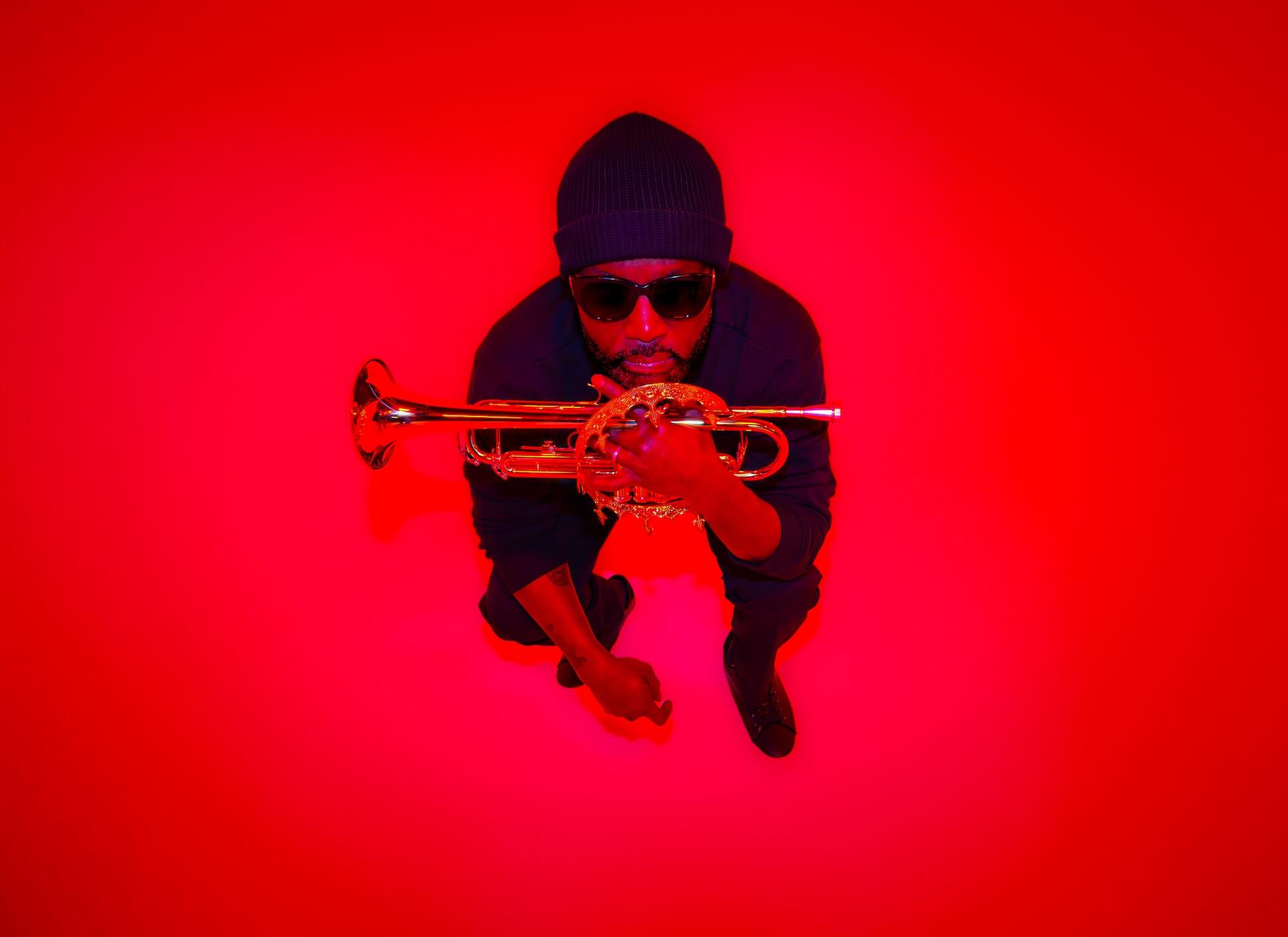
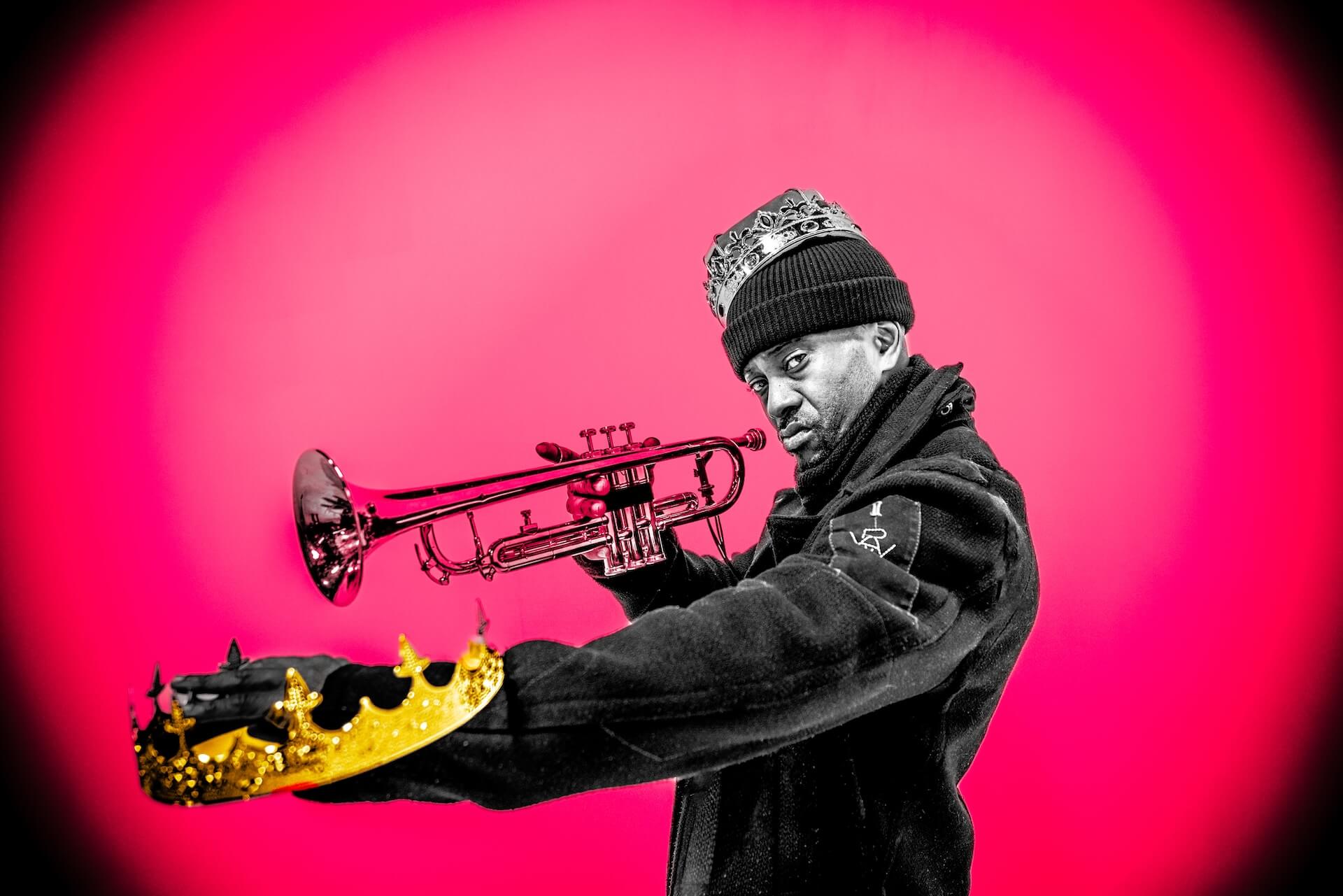
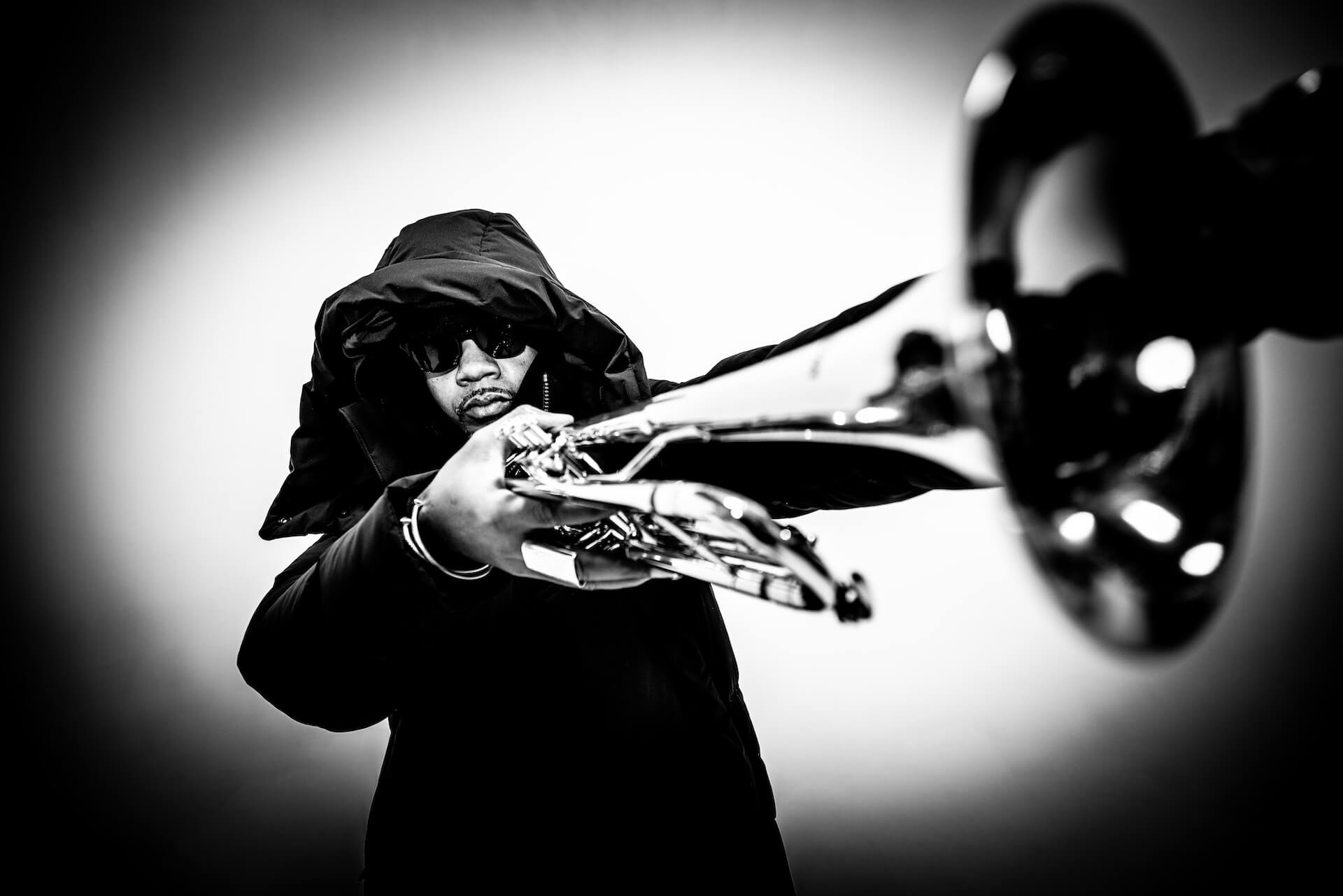
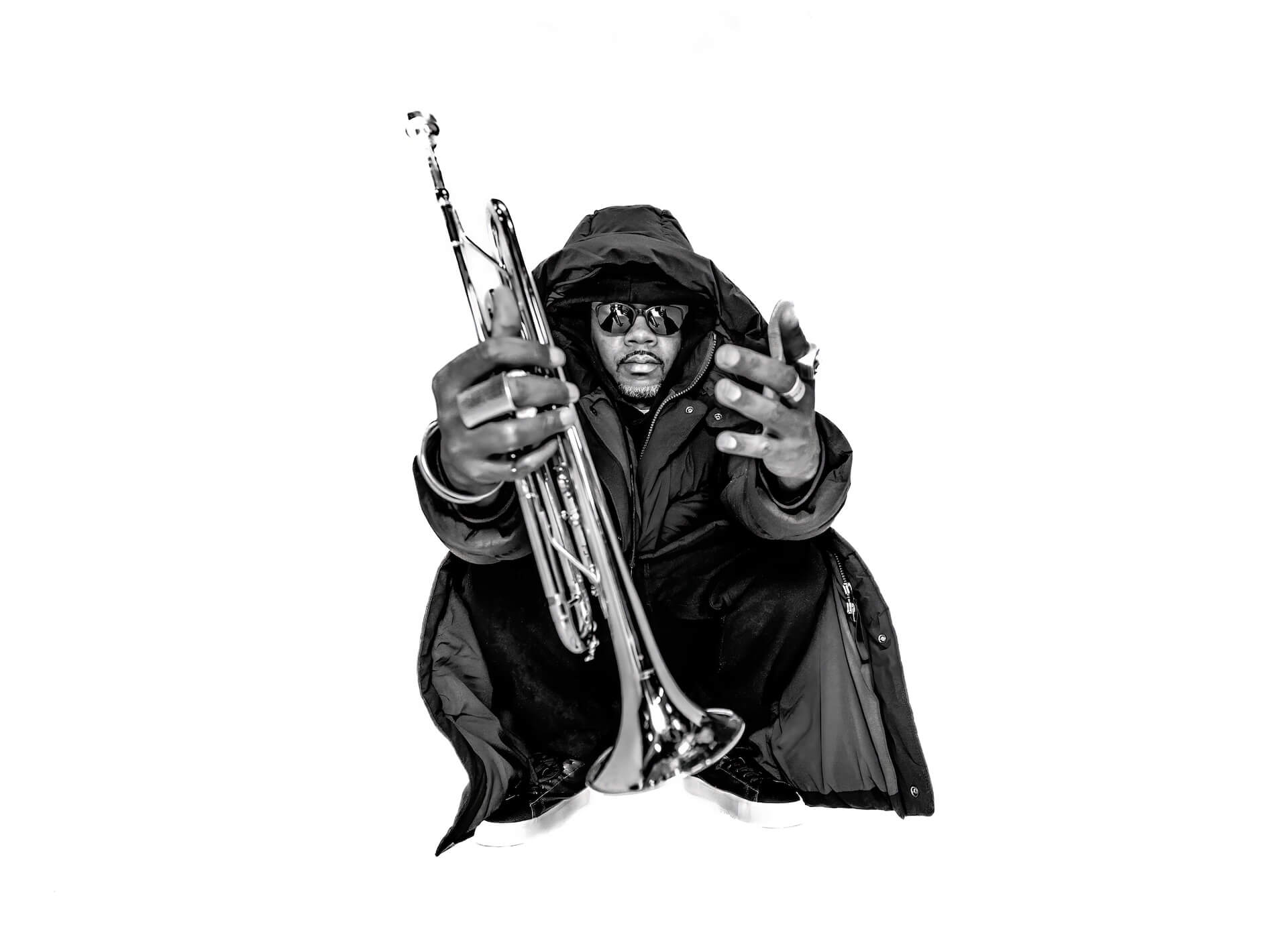
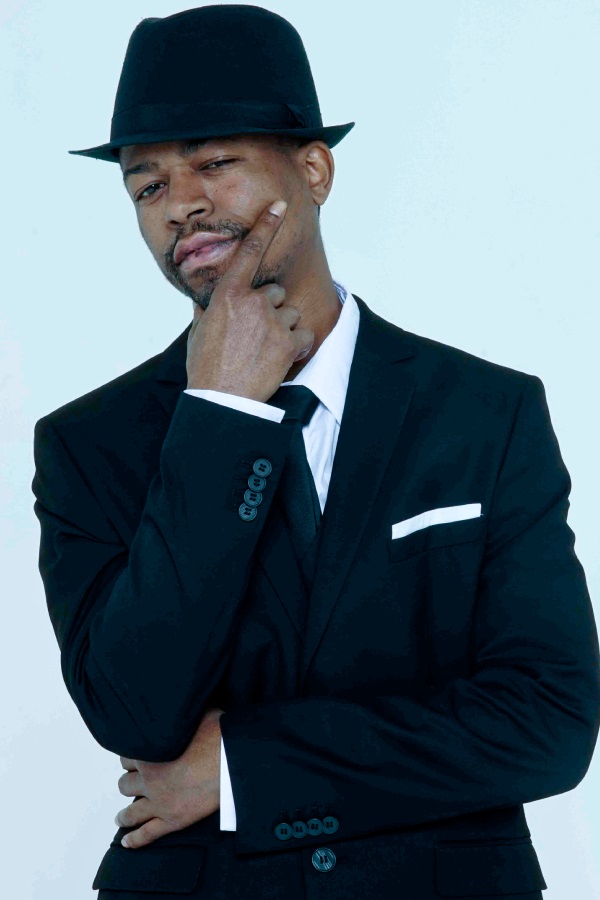
Trumpeter, writer, confidant.
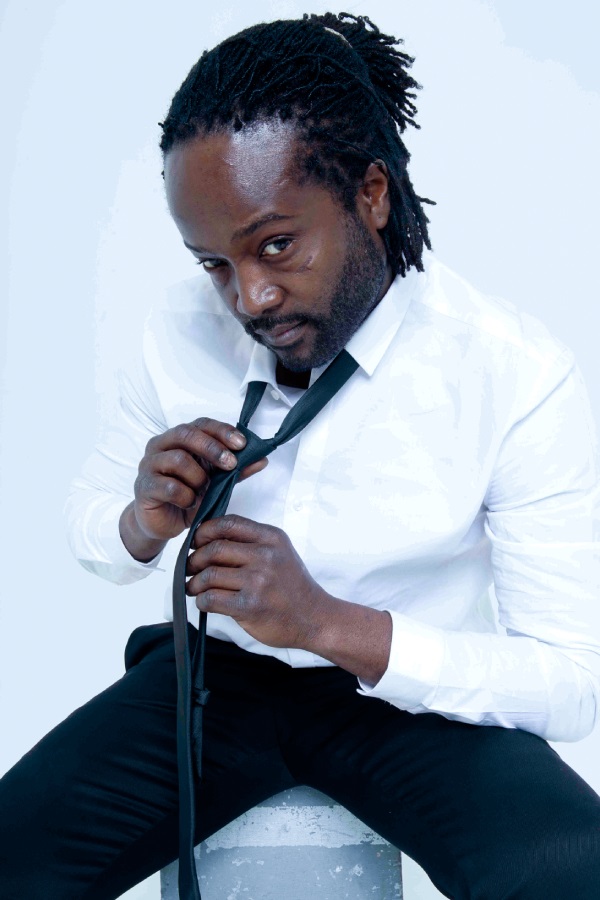
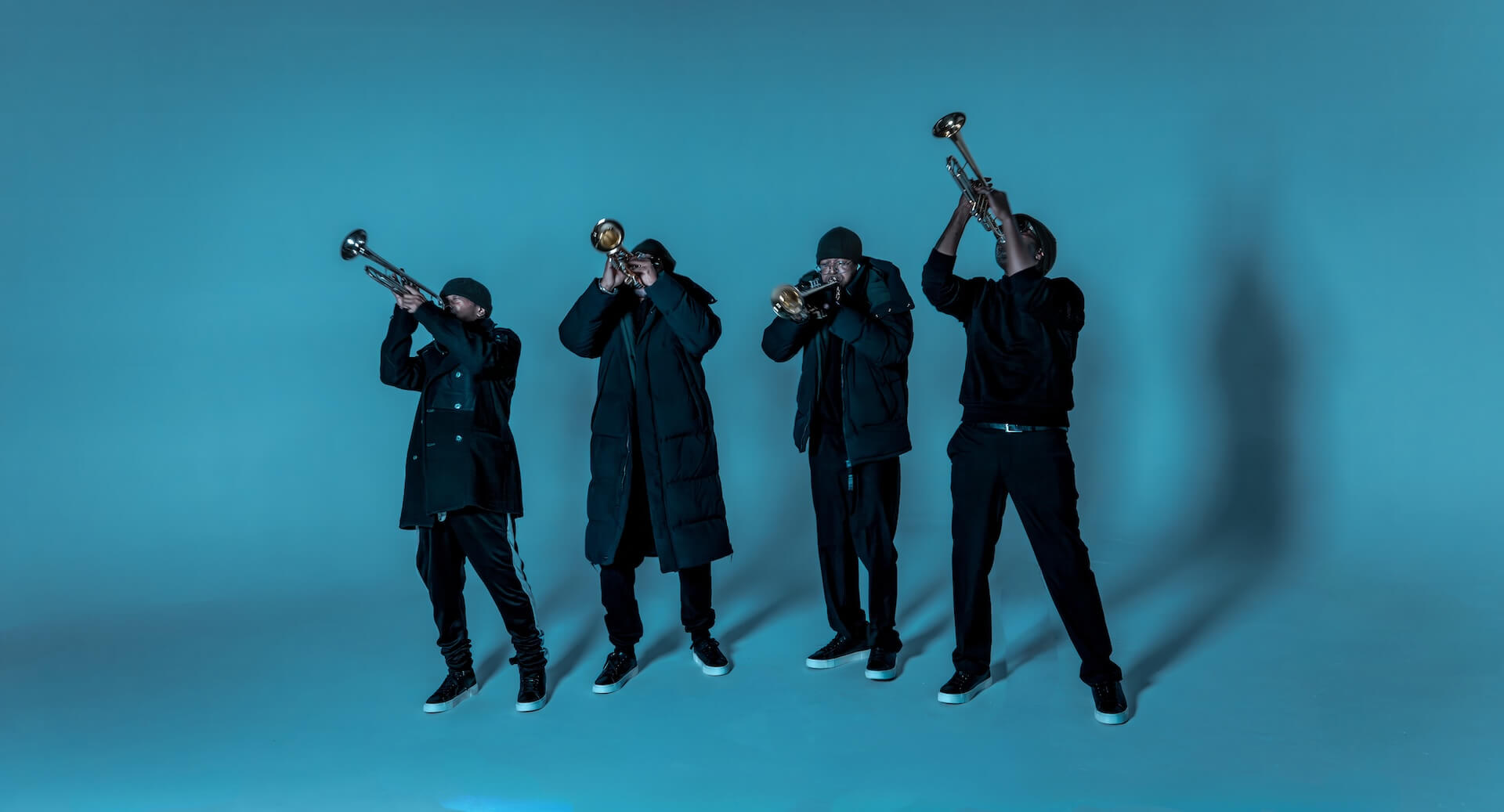
Trumpeter, producer, writer, energizer.
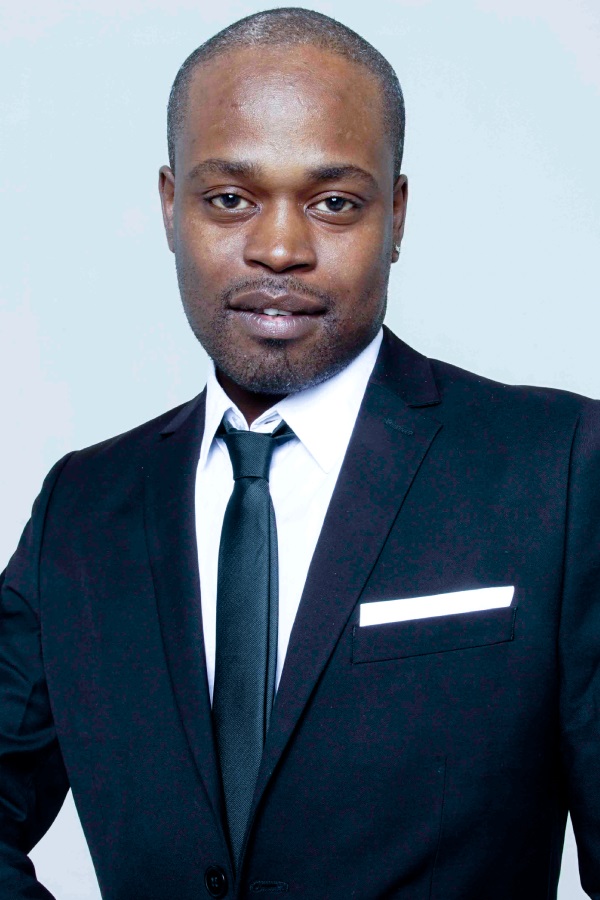
Trombonist, writer, emcee, architect.
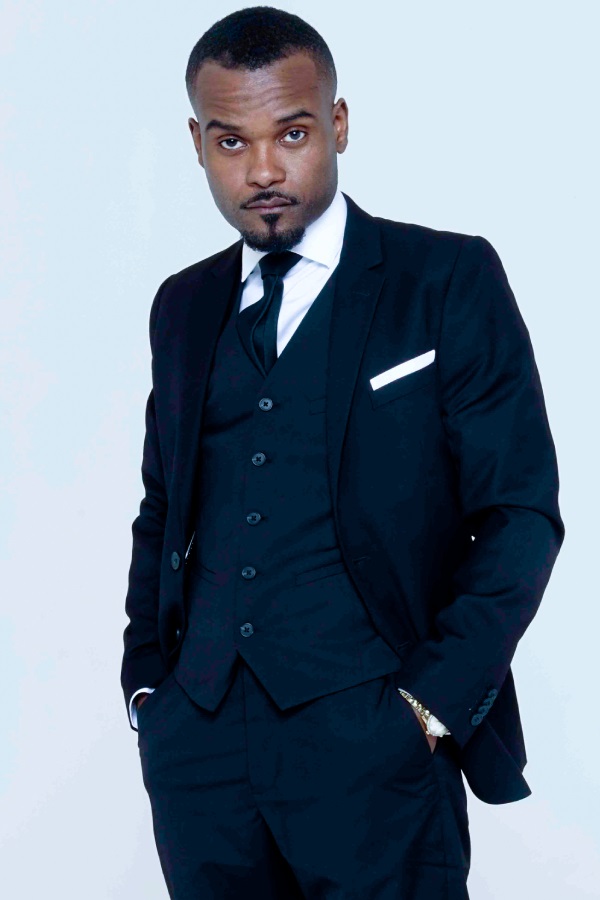
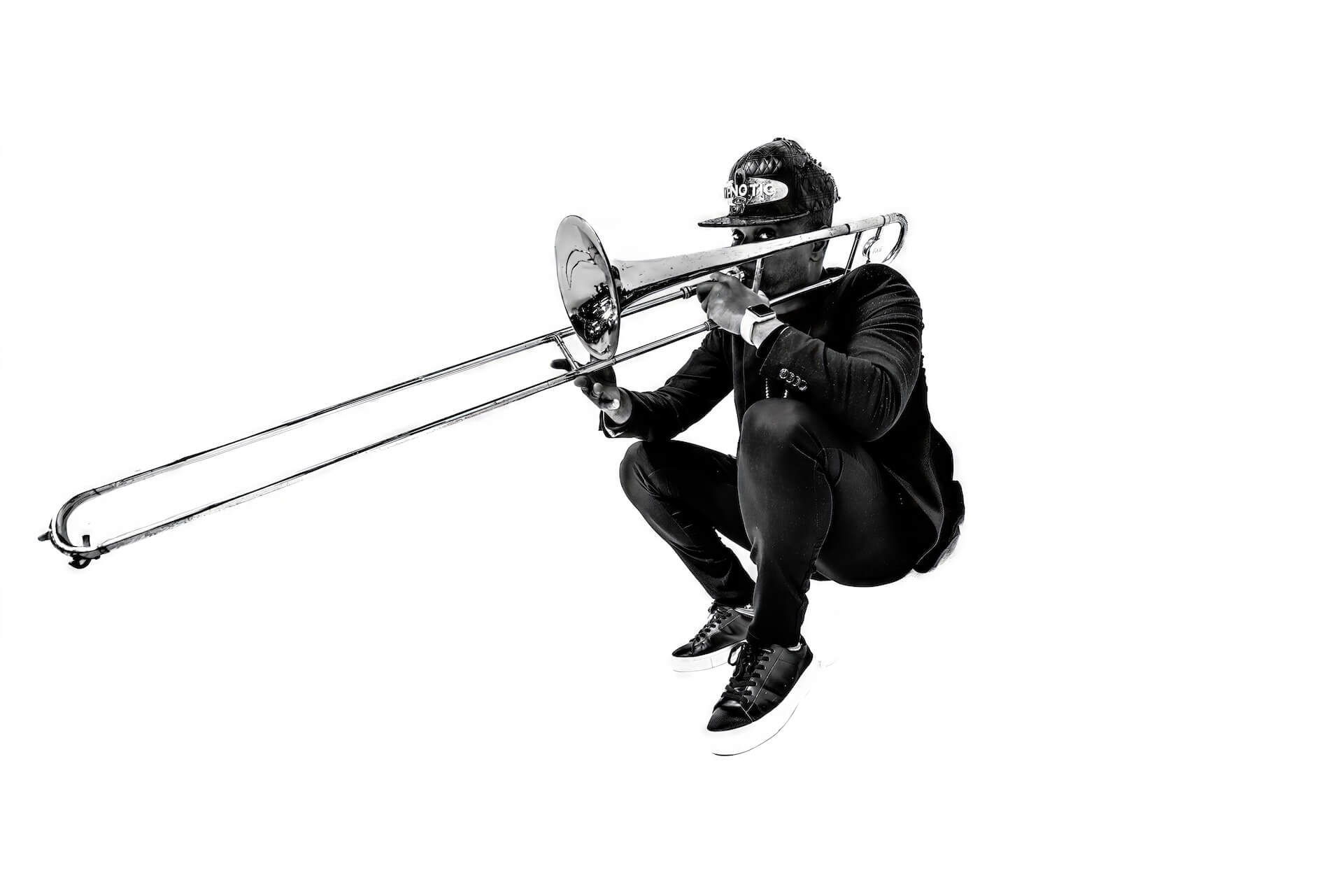
Trombonist, producer, vocalist, creator.
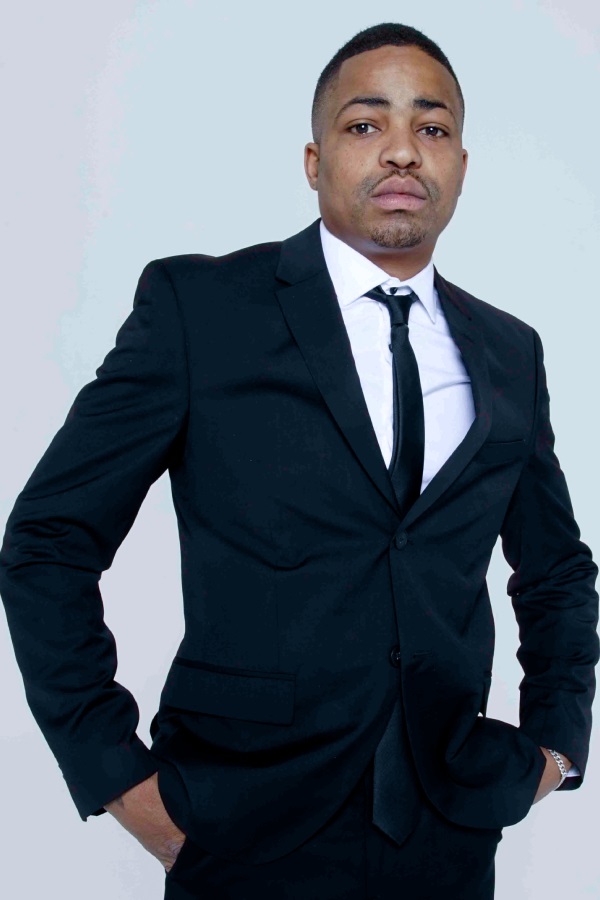
Euphonist, writer, emcee, animator.
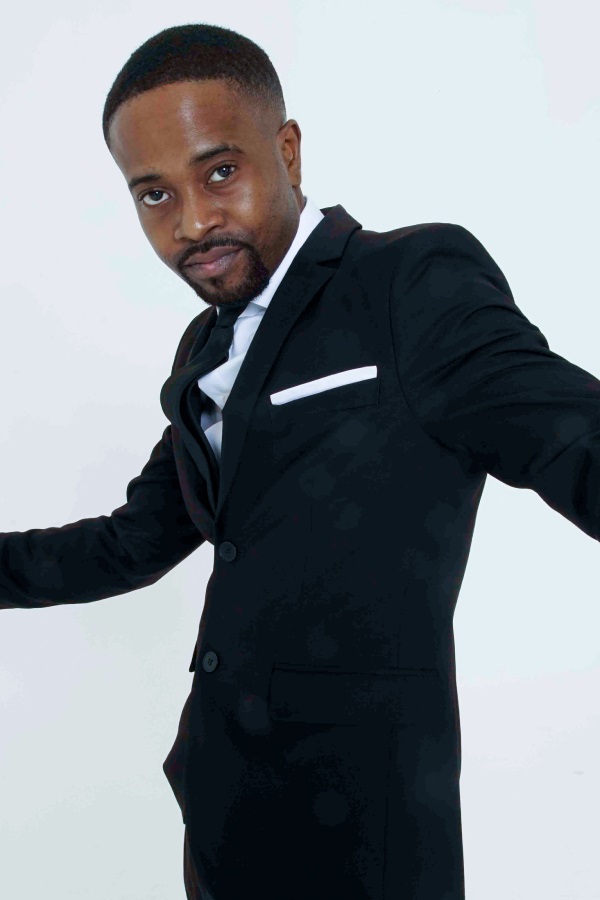
Trumpeter, producer, poet, emcee.
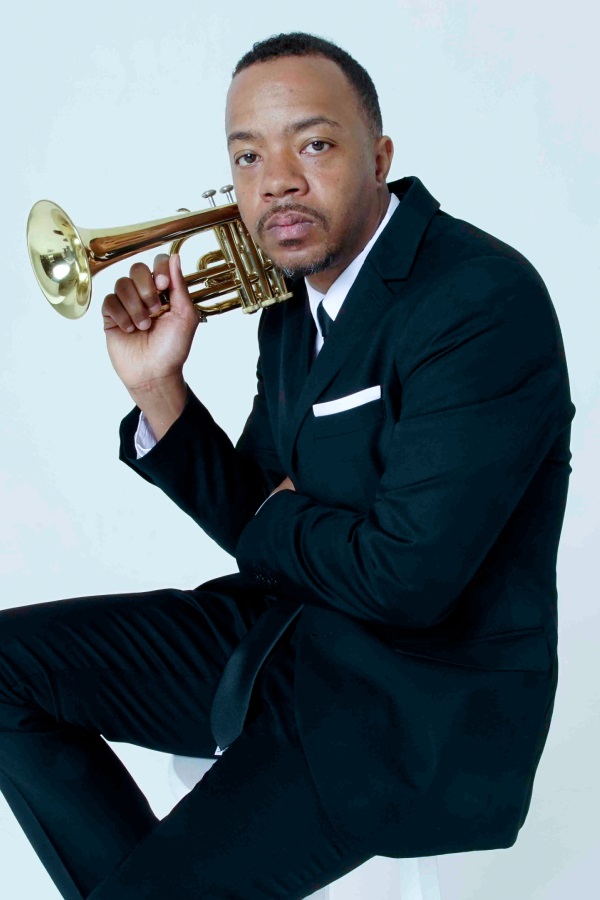
Trumpeter, emcee, writer, facilitator.
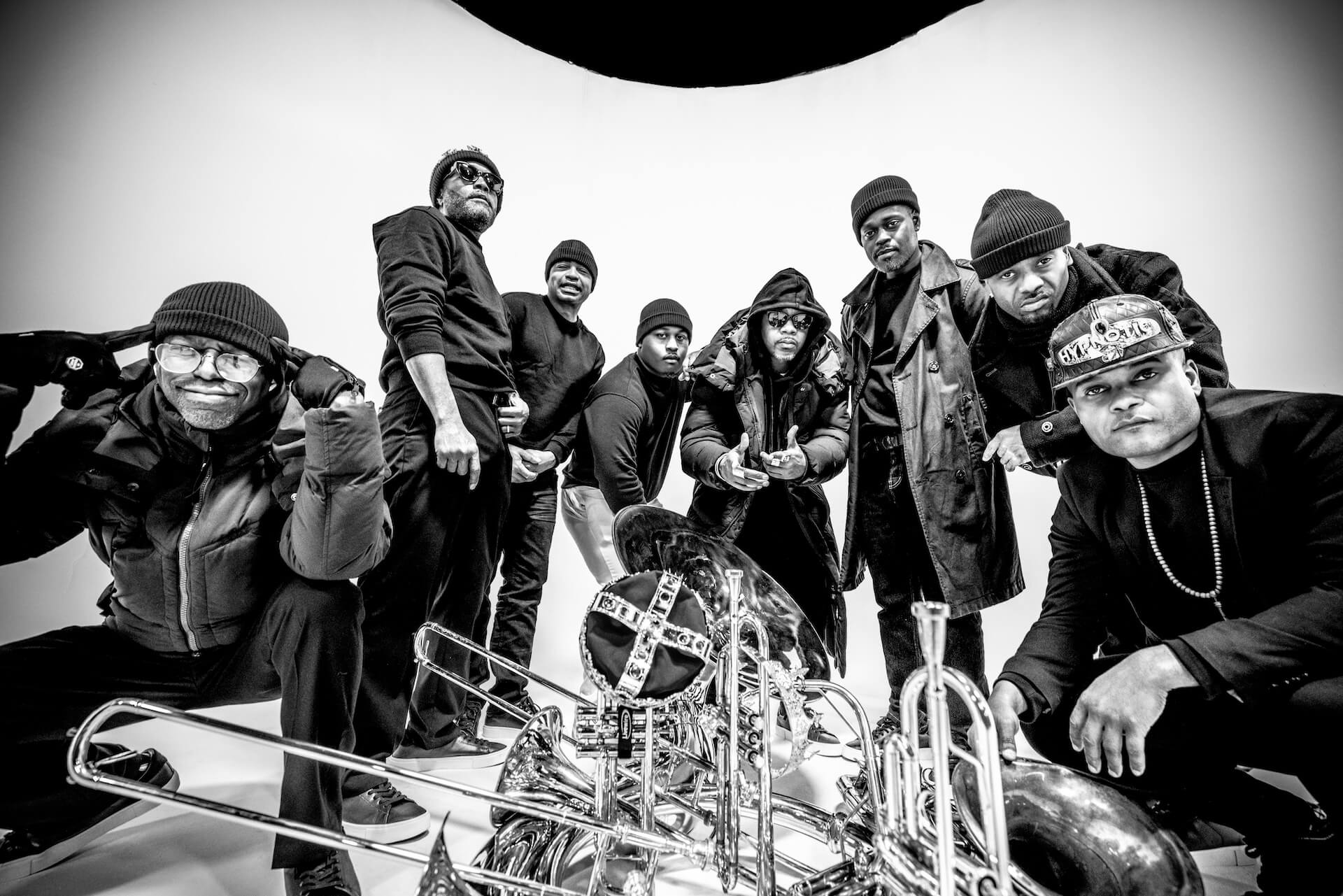
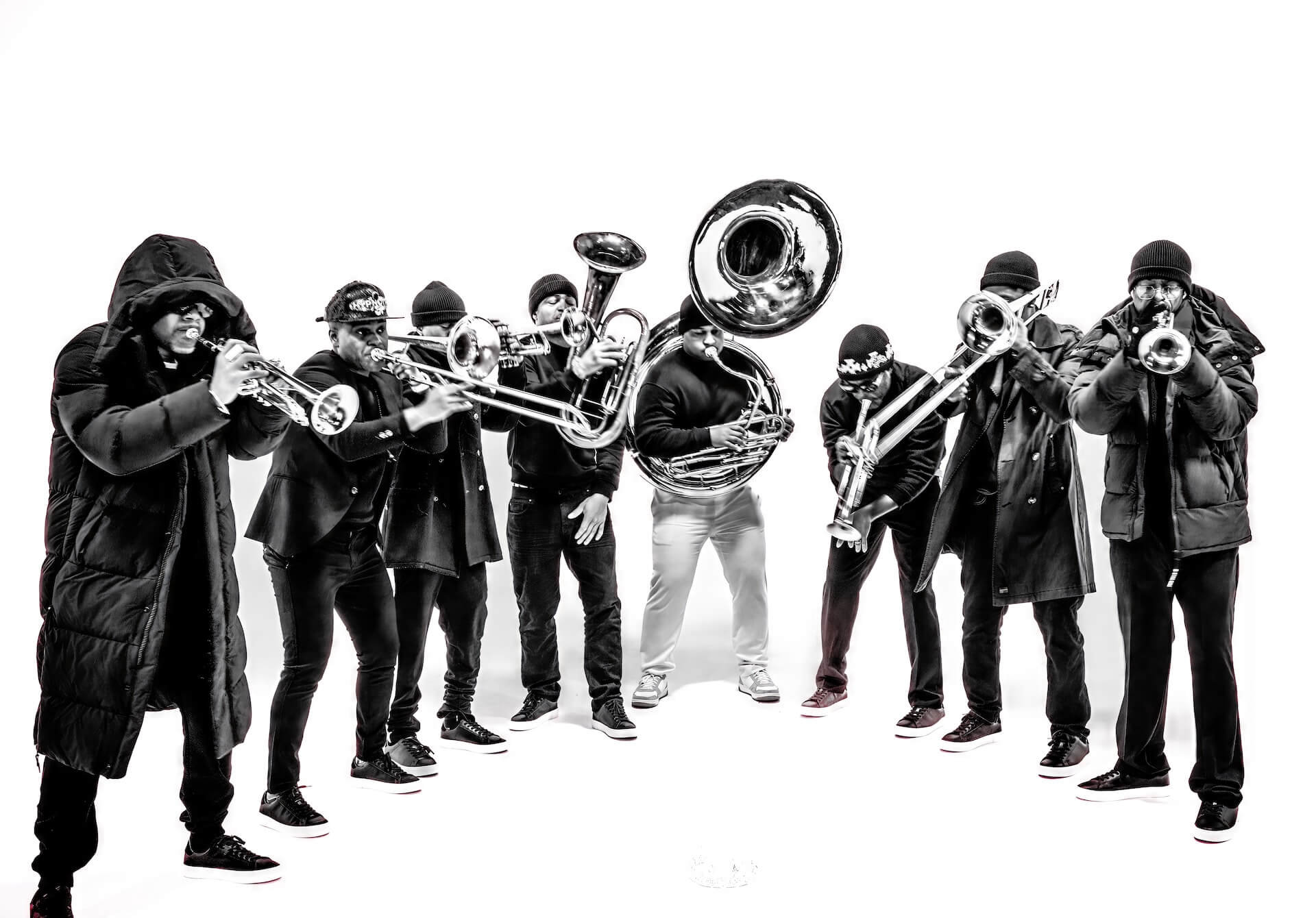
The ensemble fuses family history, street-level swing, hip-hop energy, and deep jazz roots into a sound that has traveled across major stages and festivals.
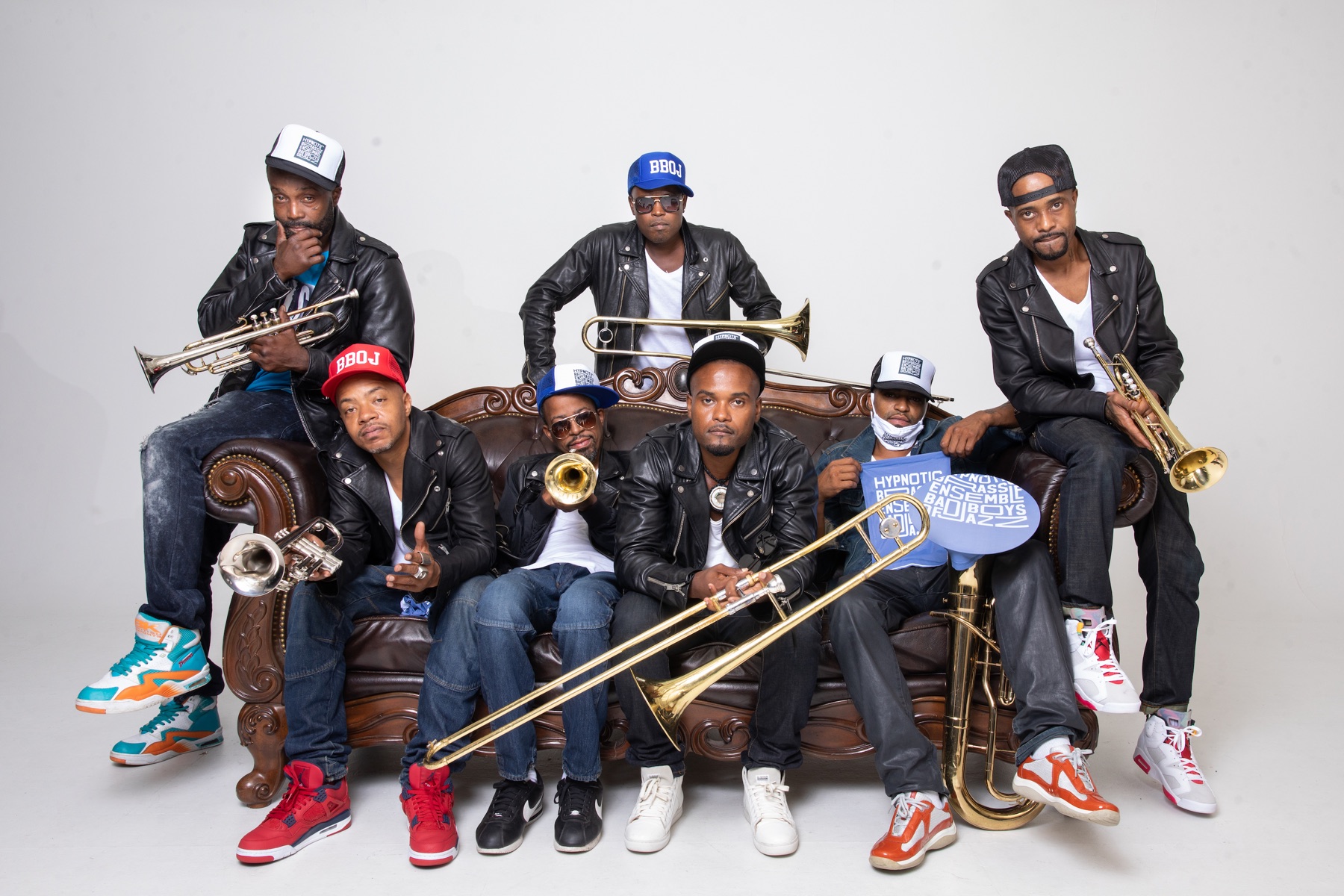
Hypnotic Brass Ensemble was born from lineage, improvisation, movement, and survival. Raised in Chicago under the guidance of legendary composer, educator, and AACM visionary Phil Cohran, the brothers of Hypnotic Brass Ensemble were immersed in music from early childhood through the Phil Cohran Youth Ensemble, a family-centered musical institution founded in 1990. As children, they performed throughout Chicago at civic events, cultural celebrations, and community gatherings, developing a deep foundation in discipline, composition, and live ensemble performance while absorbing the sounds of hip-hop, funk, reggae, soul, and the streets around them.
By the late 1990s, several of the brothers had stepped away from serious performance, but in 1999 three younger members, Tarik on trumpet, Seba on trombone, and Tycho on sousaphone, began experimenting with new musical ideas in the back of Chicago band rooms before carrying those ideas into public space. The earliest performances took place in Chicago Transit Authority stations, particularly the Jackson stop on the Red Line, where the raw physicality of the music immediately connected with audiences. What started as experimentation quickly evolved into purpose.
Over time, additional brothers rejoined the movement, transforming the original trio into a larger brass ensemble driven by trumpets, trombones, sousaphone, euphonium, and drums. Hypnotic Brass Ensemble built its audience manually, performing daily in streets and subway stations, selling CDs by hand, and financing the next stage of the journey through public performance.
In 2001, after a supporter named Arista offered to pay for 6 hours of studio time for the group, Hypnotic Brass Ensemble recorded and independently released its first album. That same year, the ensemble traveled to New York City to perform at Amateur Night at the legendary Apollo Theater, a formative moment that helped expand the group's vision beyond Chicago.
Throughout the early 2000s, the ensemble traveled relentlessly across the United States, performing in Chicago, Los Angeles on Venice Beach & Santa Monica Pier, and in New Orleans during Fat Tuesday celebrations. In California, the group came close to recording at the studio of Raphael Saadiq near Santa Monica Pier while continuing to refine a sound rooted equally in brass tradition, rhythm, and street energy.
As the group's reputation spread, Hypnotic Brass Ensemble began traveling repeatedly between Chicago and New York City throughout 2004, 2005, and 2006, often by Greyhound bus, staying in hostels while street performing throughout NYC. The city quickly became central to the group's growth. Performing in places like Union Square and 42nd Street, the ensemble discovered an entirely new scale of audience and opportunity.
Around this same period, the group became integrated into New York City's underground music culture through vocalist Aquilla Sadalla and the group National Trust, with whom Hypnotic Brass Ensemble performed and collaborated. In 2006, following the release of National Trust album "Kings & Queens" featuring the ensemble, the group became connected to Brooklyn's loft-party and independent music scene during the Williamsburg and Bushwick creative renaissance of the era. One of the earliest major loft performances placed the ensemble alongside the extended community surrounding Sharon Jones & the Dap-Kings, helping establish lasting ties to New York's independent soul and analog recording culture.
By 2007, Hypnotic Brass Ensemble had established a home base in Queens and was performing constantly throughout New York City venues including Joe's Pub, Highline Ballroom, Knitting Factory, and countless underground spaces while continuing daily street performances throughout the city.
During this same era, the ensemble connected with cultural tastemaker Knox Robinson, former editor of FADER magazine, who introduced the group more deeply into underground vinyl culture and independent record ecosystems. CDs had already become the foundation of the ensemble's direct-sales engine, but vinyl opened an entirely new world. The group began converting its independently released recordings into vinyl releases while building relationships across New York, London, and Europe.
Following a European run connected to National Trust around 2007, the ensemble made a pivotal decision to remain overseas independently after the tour ended. Traveling through Denmark, Berlin, and London, the group street performed throughout Europe exactly as they had done in Chicago and New York. The ensemble referred to this chapter as the "In Dem Streets Tour," reflecting the philosophy that public space itself was their stage.
While street performing on Portobello Road in London, Hypnotic Brass Ensemble developed a relationship with the legendary Honest Jon's record shop and label. Through that relationship, the group connected with Damon Albarn, opening the door to an entirely new international chapter.
At the same time, the ensemble's growing reputation in New York continued generating new creative relationships. Around 2008, the group recorded its portions of "Sankofa" with Afrobeat pioneer Tony Allen at the legendary Daptone recording studio in Brooklyn. The project further connected Hypnotic Brass Ensemble to a global lineage of Afrobeat, analog soul, and experimental jazz traditions.
The streets of New York also led to one of the group's most important creative relationships. While street performing on 42nd Street, the ensemble was approached by Yasiin Bey, then globally known as Mos Def, who spontaneously began rapping over the group's music in the street. Later that same evening, Yasiin Bey joined the ensemble onstage at a performance at the Lion's Den in Manhattan, beginning a long-running creative relationship that evolved into performances at the Lincoln Center, the Apollo Theater, and major international stages as part of the Mos Def Big Band alongside musicians including Robert Glasper, Chris Dave, Derrick Hodge, and Casey Benjamin.
At the same time, Hypnotic Brass Ensemble's relationship with Damon Albarn and the Honest Jon's community was expanding rapidly. Following appearances with The Good, the Bad & the Queen and collaborations tied to the broader Honest Jon's and Africa Express musical universe, the ensemble became increasingly recognized internationally for a sound that merged brass tradition, hip-hop urgency, Afrobeat rhythm, and cinematic scale.
By 2010, Hypnotic Brass Ensemble had entered a new phase of global visibility through their involvement with Gorillaz and the Plastic Beach world tour, performing alongside artists including Snoop Dogg, De La Soul, Bobby Womack, and Mick Jones. The following year, the ensemble was personally requested by Prince to perform at the New Power Generation Festival in Denmark.
Over the years, Hypnotic Brass Ensemble has collaborated with, toured alongside, supported, recorded with, or appeared alongside a broad spectrum of influential artists and cultural figures including Ghostface Killah, RZA, Maxwell, Erykah Badu, Femi Kuti, Childish Gambino, Moses Sumney, Sharon Van Etten, Perfume Genius, Macy Gray, Smino, The LOX, Flea, Blur, The B-52's, Masta Ace, BK-One, Richard Youngs, Rocket Juice & the Moon, Nomadic Massive, The Recipe, legendary producer No I.D., and many others across hip-hop, jazz, soul, Afrobeat, experimental music, and global independent culture.
Their music has also appeared in major cultural platforms including The Hunger Games through the placement of "War," as well as the television series Fargo, while the ensemble's live performances have reached audiences worldwide through festivals and venues including North Sea Jazz Festival, Glastonbury, WOMAD, Sydney Opera House, Carnegie Hall, Ronnie Scott's, and countless stages across Europe, Africa, Australia, Asia, and the Americas.
More than a band, Hypnotic Brass Ensemble represents movement, across cities, generations, and cultures. Their story was built not through industry formulas, but through public performance, improvisation, migration, vinyl culture, independent hustle, and direct human connection.